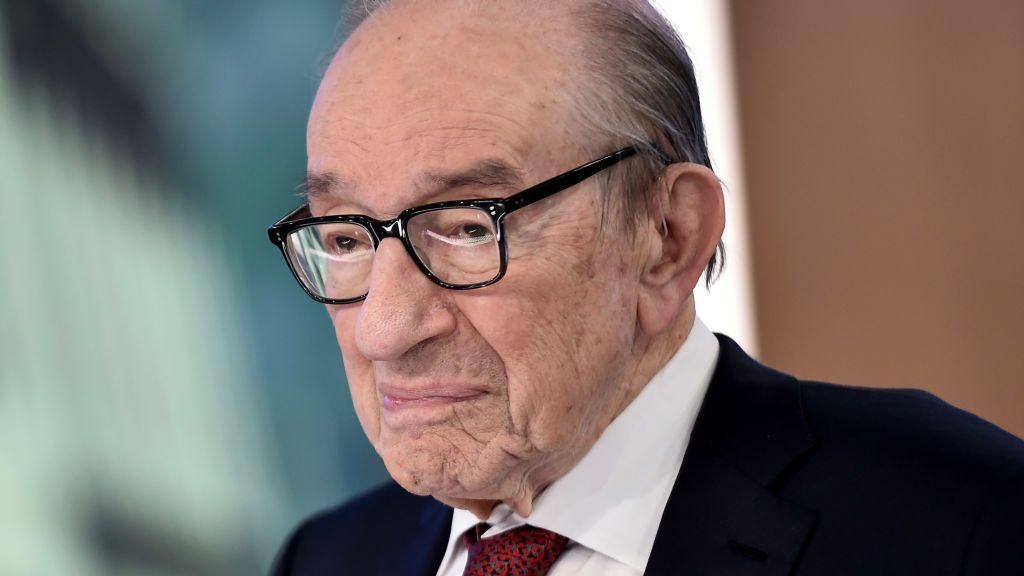
Alan Greenspan, Architect of the Modern American Economy, Dies at 100
The former Federal Reserve chairman, who once championed free-market principles, leaves behind a complex legacy of prosperity and controversy.
Sunday, November 29, 2026

The former Federal Reserve chairman, who once championed free-market principles, leaves behind a complex legacy of prosperity and controversy.

Alan Greenspan, the long-serving Federal Reserve chairman who steered the American economy for two decades, has passed away at the age of 100.

The Bank of Japan has raised its policy interest rate to 1%, the highest level since 1995, as the nation attempts to pivot away from two decades of stagnant monetary policy in the face of global inflationary pressures.

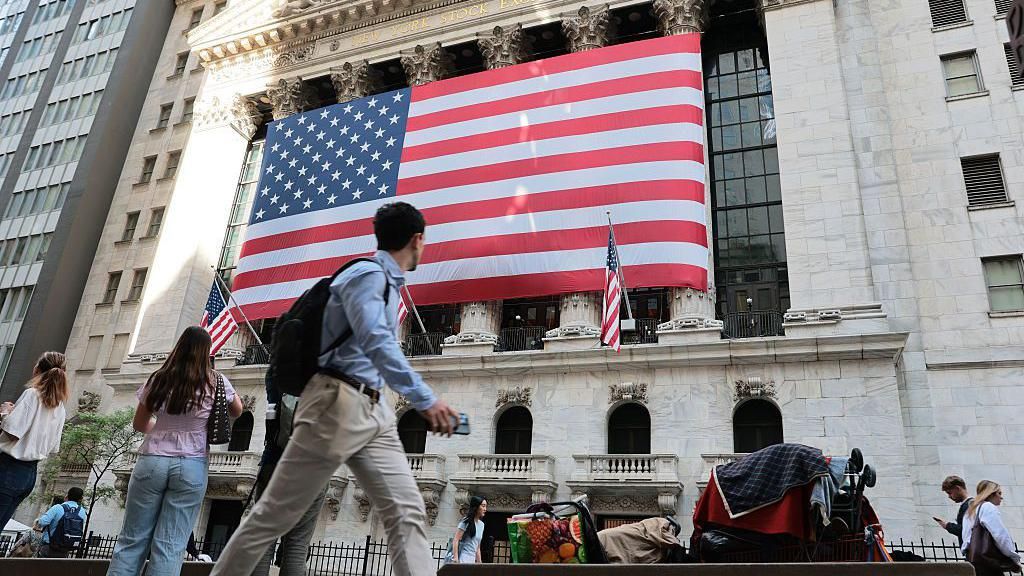
The American economy continues to outperform its global counterparts by embracing risk, capital investment, and domestic energy production, proving that a flexible, market-driven approach remains the world's strongest economic engine.

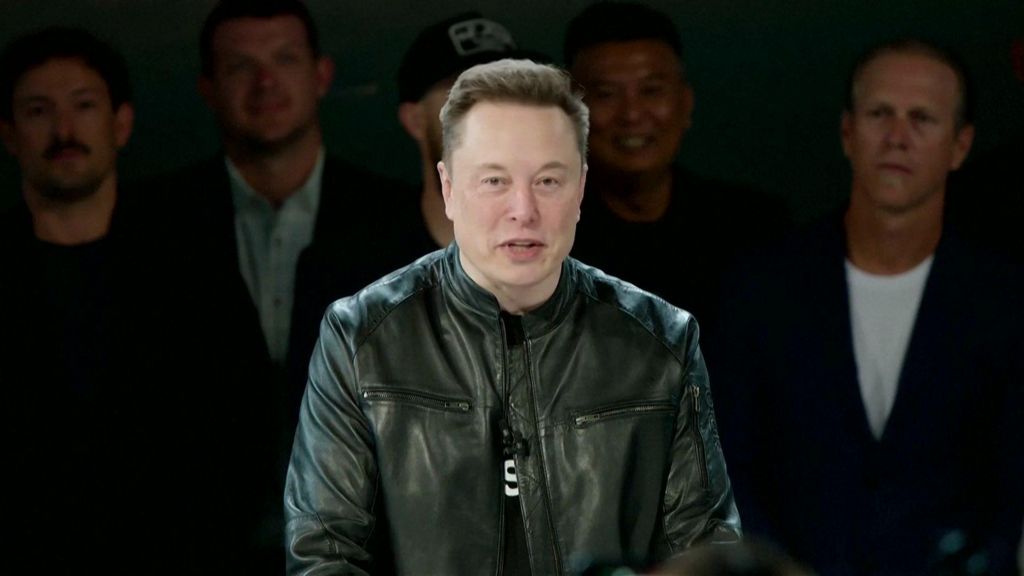
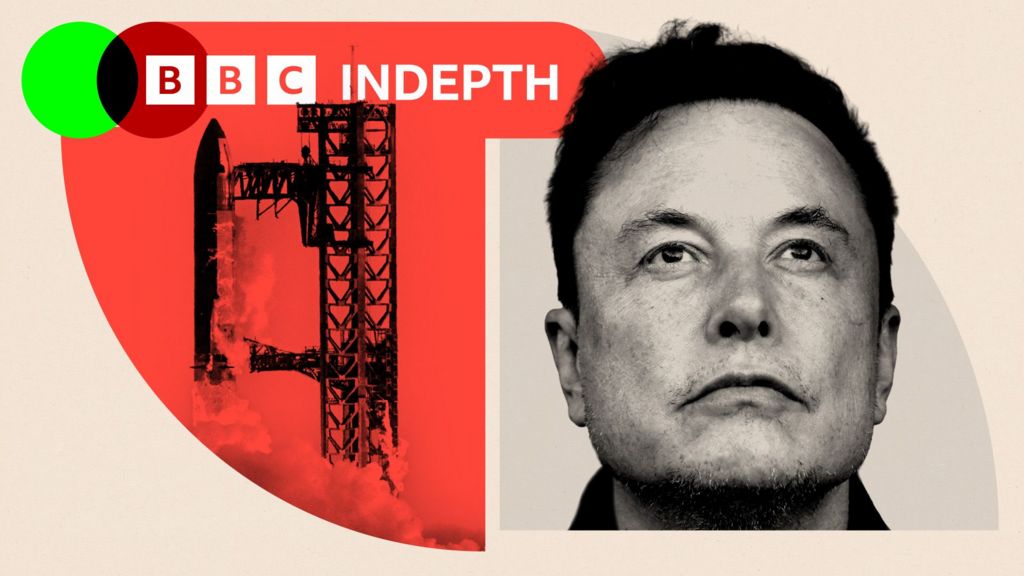
Elon Musk has become the world's first trillionaire following a massive SpaceX stock market debut that signals overwhelming investor confidence in his ambitious technological ventures.

Hundreds of Indonesian students have taken to the streets to protest government mismanagement, citing a reckless $28 billion free meal scheme and surging fuel prices as evidence of a country heading toward bankruptcy.

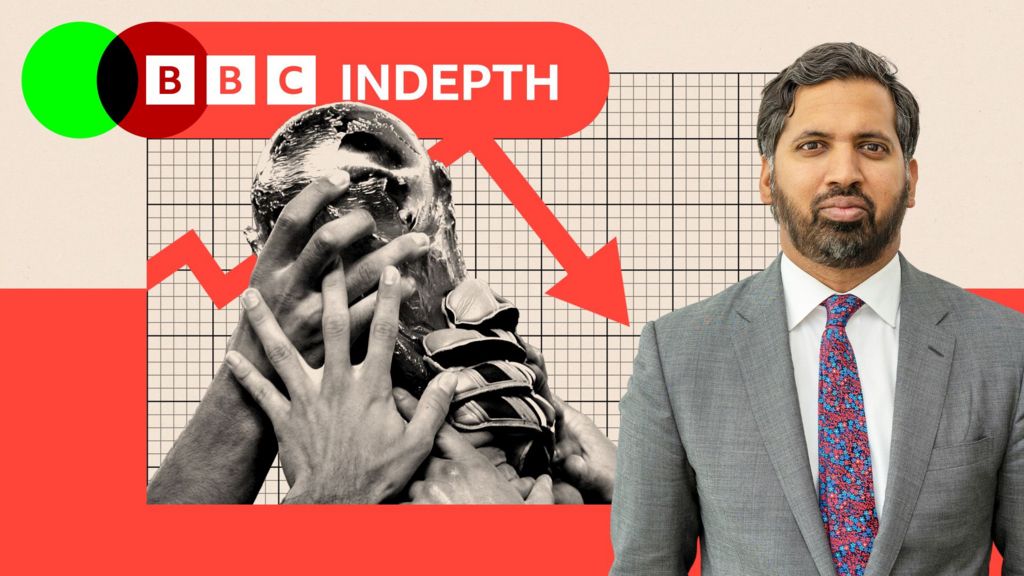
FIFA is utilizing a predatory economic model for the 2026 World Cup, leveraging dynamic pricing and exorbitant transit fees to extract billions from fans while centralizing wealth under the guise of global development.

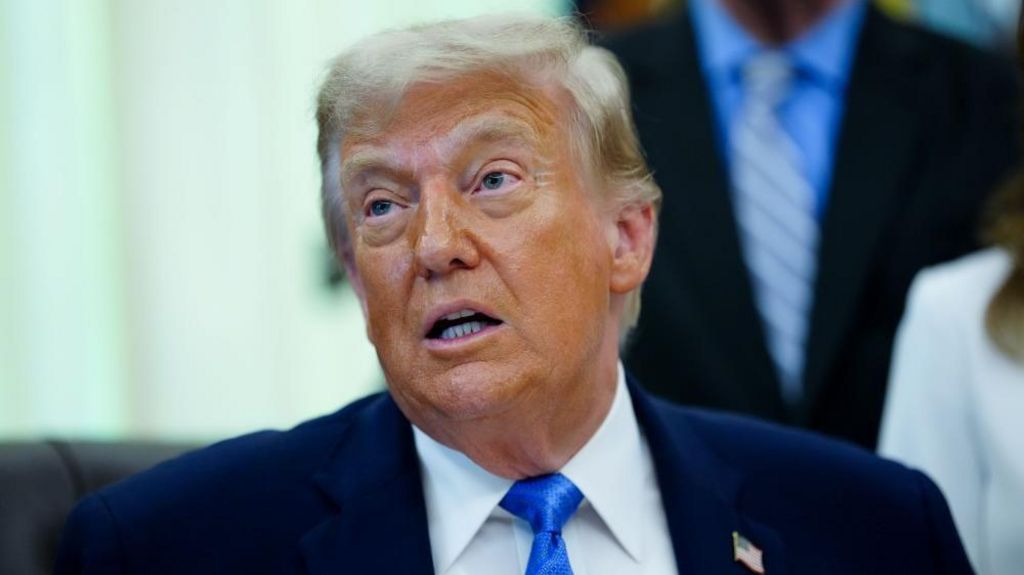
President Trump clarified his comments on inflation, asserting that current price increases are manageable and will subside once the conflict with Iran is resolved.

SpaceX is launching a historic $1.75 trillion initial public offering that pivots the company’s focus toward artificial intelligence and deep-space infrastructure.

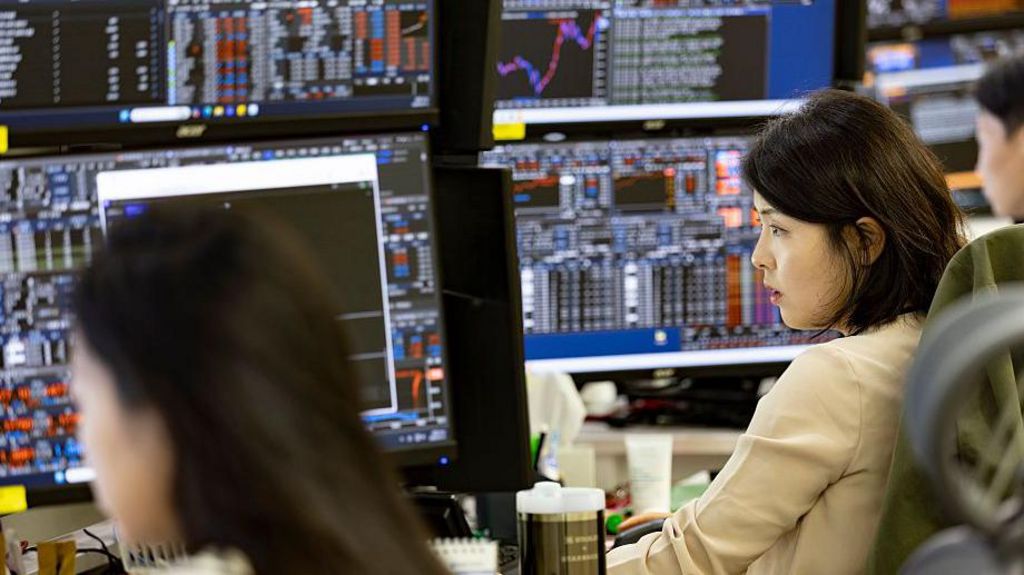
Global stock markets are facing significant volatility as a tech-sector sell-off collides with renewed military strikes between Israel and Iran, driving up energy costs and investor anxiety.

The Netherlands maintains significantly lower youth unemployment rates than the UK by utilizing a structured, vocational-focused education system that mandates training and prioritizes real-world trade skills.

The U.S. economy added 172,000 jobs in May, largely driven by temporary World Cup hiring, even as persistent inflation and energy price spikes continue to squeeze American businesses and households.