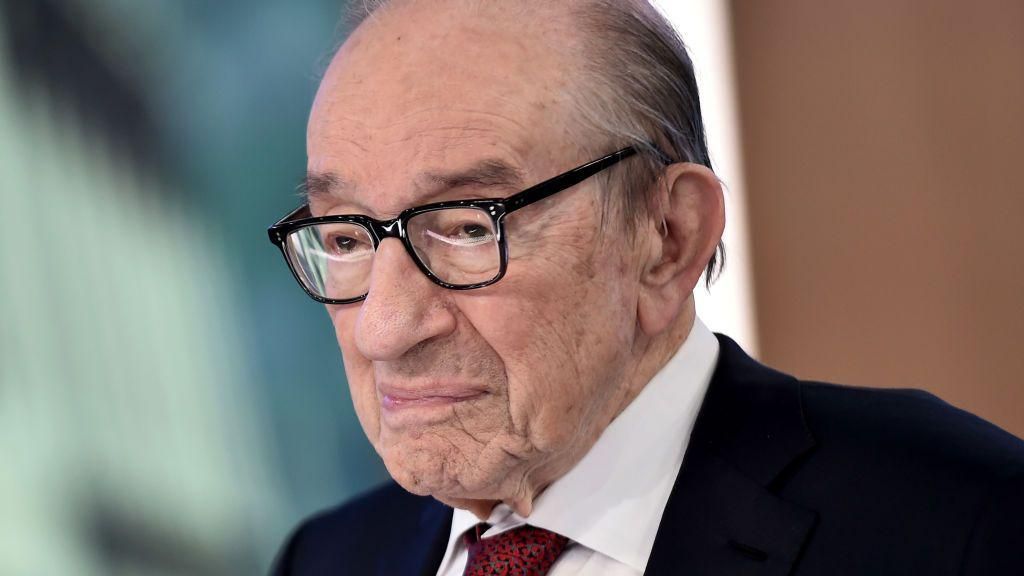
Alan Greenspan, the influential economist who served as chairman of the Federal Reserve from 1987 to 2006, has died at 100. A devotee of free-market philosophy and a protege of Ayn Rand, Greenspan was a towering figure in American finance who presided over the longest period of sustained economic growth in a generation.
His career, which spanned service under both Republican and Democratic administrations, was defined by his rigorous approach to monetary policy and his attempts to navigate the economy through various global crises, including the 1987 stock market crash and the aftermath of the 9/11 attacks.
While supporters credit him with establishing the credibility of the Federal Reserve and maintaining a stable dollar, his legacy remains a subject of intense debate.
Critics have long argued that his reliance on low interest rates and a belief in the financial industry's ability to self-regulate contributed to the dot-com bubble and the 2008 sub-prime mortgage crisis.
In 2008, Greenspan famously admitted to Congress that he had found a 'flaw' in his free-market ideology, acknowledging that his faith in the banking sector's self-interest had been misplaced.
Despite these controversies, Greenspan remained a prominent voice in economic discourse well into his later years, frequently offering critiques on modern political and fiscal policies. He is survived by his wife, NBC correspondent Andrea Mitchell.
Tags


