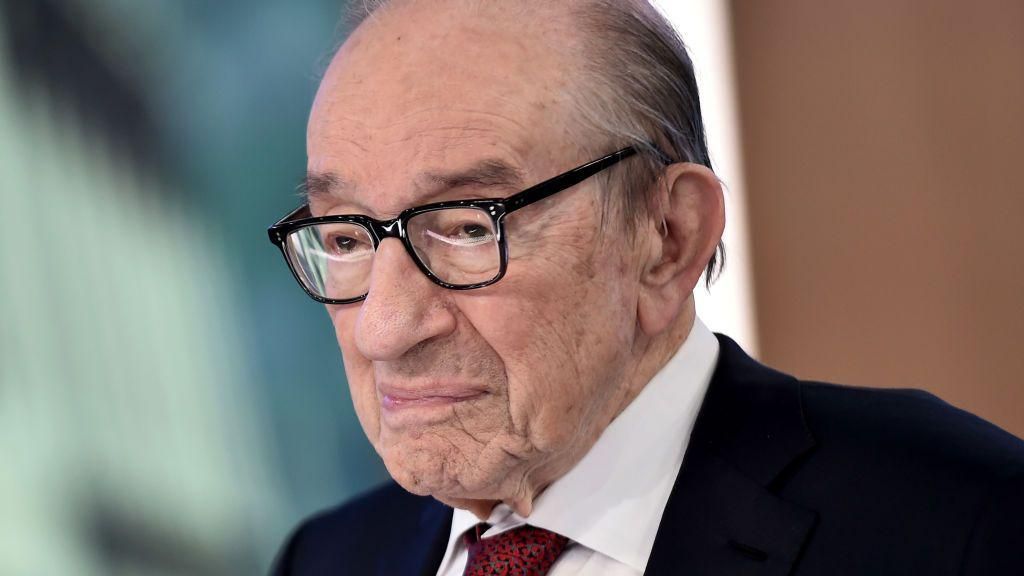
Alan Greenspan, the man who served as the face of American monetary policy for nearly 20 years, has died at 100. As chairman of the Federal Reserve from 1987 to 2006, Greenspan was a towering figure in global finance, steering the U.S. through the longest sustained period of economic growth in a generation.
A disciple of Ayn Rand and a staunch advocate for free-market principles, Greenspan famously once described the welfare state as a mechanism for government confiscation of wealth. His tenure was marked by a commitment to curbing inflation and a belief that markets function best when individuals pursue their own self-interest.
Throughout his career, he served under presidents of both parties, earning a reputation as a financial 'God in the machine' who could stabilize markets during crises, from the 1987 stock market crash to the aftermath of 9/11. However, his legacy is not without significant criticism.
Detractors argue that his reliance on low interest rates and a hands-off approach to banking regulation helped fuel the dot-com bubble and the subsequent 2008 sub-prime mortgage crisis.
In a 2008 congressional testimony, Greenspan admitted he had placed too much faith in the financial industry's ability to self-regulate, calling it a 'flaw' in his economic worldview.
Despite these controversies, Greenspan remained an active and vocal commentator on economic affairs well into his final years, offering critiques on everything from populist political movements to the policies of the Biden administration. He is survived by his wife, NBC correspondent Andrea Mitchell.
Tags


