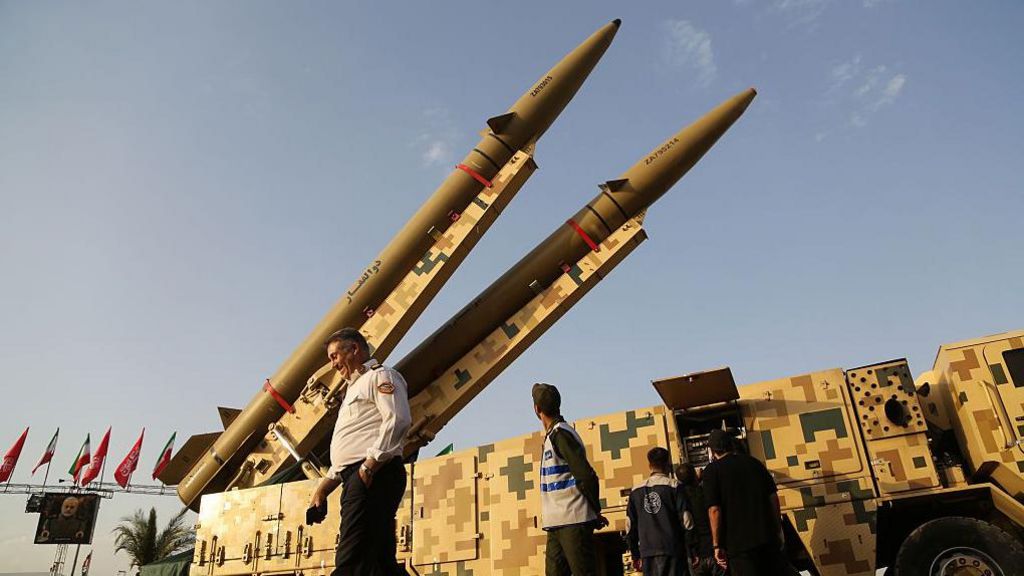
The recent Iranian-backed missile strike on a U.S. base in Jordan was not a miscalculation; it was a deliberate move in a calculated game of brinkmanship. While the Biden administration remains hesitant to engage in a full-scale regional war, the Iranian regime is exploiting that restraint to advance its own strategic interests.
Tehran has concluded that a return to peace would leave it economically isolated, crippled by sanctions, and sidelined in global energy markets. Instead, the regime is choosing to maintain a state of controlled conflict.
By using proxies like the Houthis to disrupt the Bab al-Mandab Strait and threatening the Strait of Hormuz, Iran is forcing the international community to pay attention to its demands. Their goal is to rewrite the rules of global navigation, ensuring that any future stability in the region reflects Iranian influence rather than American-led security.
Domestically, the regime is using the external threat to tighten its grip on power, suppressing public dissatisfaction over inflation and economic failure by rallying the populace around a manufactured national defense. However, this strategy is a high-stakes gamble.
By constantly pushing the boundaries of escalation, Tehran risks triggering a much more robust international response. As regional powers like Saudi Arabia begin to take more direct action against Iranian-aligned groups, the regime’s attempt to calibrate the conflict could easily spiral out of control.
For now, the mullahs believe they can keep the pressure on the United States without facing total war, but they are playing a dangerous game that could ultimately lead to their own undoing.
Tags


