The Biden-Harris administration's attempt to engage in direct talks with the Iranian regime has hit a wall, with Vice President JD Vance delaying a planned trip to Switzerland for negotiations.
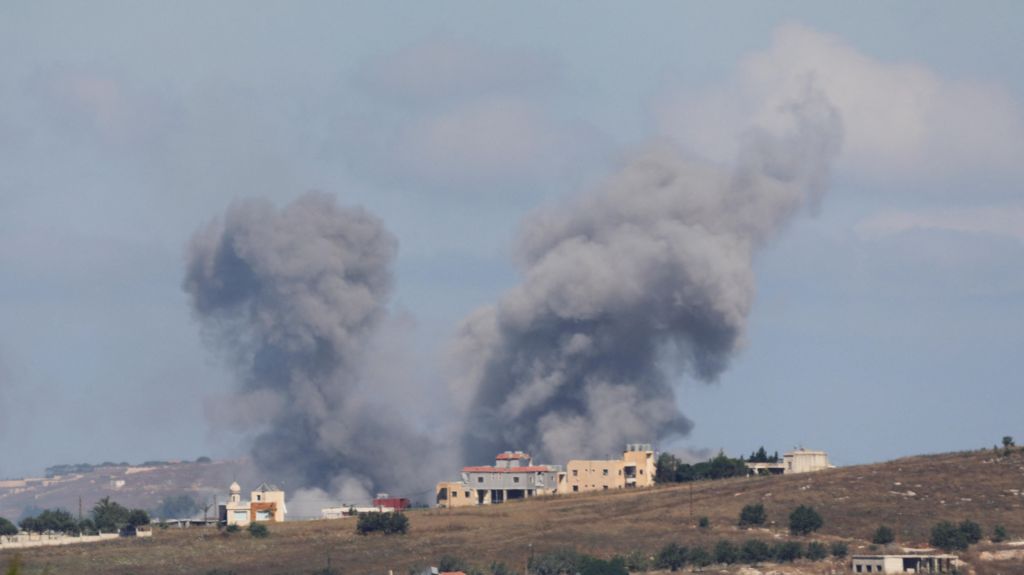
While the White House cited logistical complexities, the reality on the ground remains clear: the Iranian-backed terrorist group Hezbollah continues to threaten Israel, and Israel is responding with necessary force.
Despite a recently signed Memorandum of Understanding—which includes controversial provisions like lifting sanctions and a massive reconstruction plan for Iran—the agreement has failed to secure peace. Israel, rightfully refusing to be sidelined by international diplomatic pressure, continues to target Hezbollah infrastructure to protect its citizens.
Four Israeli soldiers were killed in the latest escalation, prompting calls from within the Israeli government to prioritize national security over the administration's desperate push for a deal.
Vice President Vance has previously urged Israeli leadership to face the reality of the situation, yet the administration continues to pursue a framework that demands Iran never obtain a nuclear weapon while simultaneously offering the regime significant economic concessions.
As the conflict in Lebanon intensifies, it is evident that the security of our allies cannot be bargained away in a mountain resort in Switzerland.
Tags


