Tuesday, June 16, 2026

RN

Right News

Foreign Policy

Trump Secures Framework to End Iranian Conflict and Reopen Strait of Hormuz

A signed memorandum of understanding sets the stage for regional stability, forcing Tehran to commit to verifiable nuclear non-proliferation and an end to terror funding.

Foreign PolicyPublished June 16, 2026 at 12:03 AM
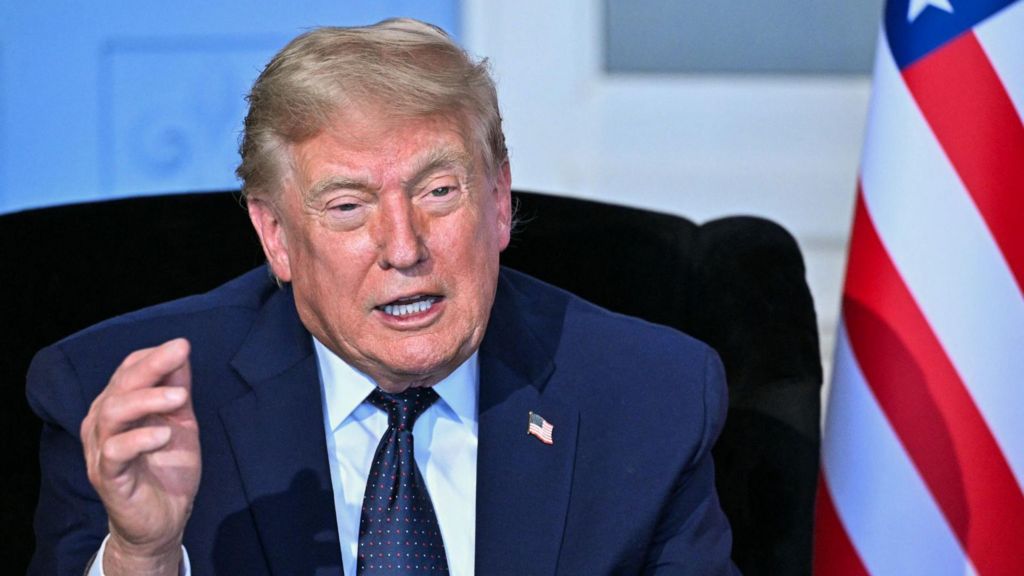
US President Donald Trump attends a bilateral meeting with French President Emmanuel Macron

President Trump has confirmed that a preliminary deal to end the war with Iran has been formally signed, marking a significant shift in Middle Eastern security.

The agreement, signed electronically by President Trump, Vice President JD Vance, and Iranian Parliament Speaker Mohammad Bagher Ghalibaf, establishes a framework requiring Iran to cease its funding of terrorist organizations and commit to verifiable measures ensuring it never acquires a nuclear weapon.

Vice President Vance emphasized that the memorandum of understanding forces Tehran to earn any potential sanctions relief by meeting these strict obligations. As part of the breakthrough, the US naval blockade of Iranian ports is being lifted, and the Strait of Hormuz is expected to reopen this Friday.

While the agreement extends a ceasefire for 60 days to allow for further negotiations, the United States and its allies remain clear-eyed about the regime in Tehran.

Prime Minister Benjamin Netanyahu has affirmed that Israel will maintain its right to self-defense and will continue to operate in security zones in Lebanon, Syria, and Gaza as necessary to protect its citizens.

Despite the Iranian regime’s attempts to frame the deal as a victory, the international coalition—including the UK, France, Germany, and Italy—has issued a unified statement reiterating that Iran must never be permitted to possess a nuclear weapon.

The path forward remains dependent on Iran’s adherence to these verifiable commitments, ensuring that American strength and regional stability remain the top priorities.

Tags

irantrumpforeign-policynational-securitymiddle-east

More in Foreign Policy

Donald Trump stands behind Benjamin Netanyahu, who is looking downwards, during a press conference at the White House in 2025.
Foreign Policy6h ago

Netanyahu Faces Strategic Crossroads as U.S.-Iran Ceasefire Strains Alliance

Prime Minister Benjamin Netanyahu is under immense political and security pressure following a U.S.-brokered ceasefire with Iran that threatens to undermine Israel's ability to neutralize threats from Hezbollah and other hostile actors.

Iranians walk past a billboard of the late Iranian supreme leaders, 15 June
Foreign Policy10h ago

The Iran Ceasefire: A Strategic Reset or a Missed Opportunity?

A new memorandum of understanding has brought a temporary end to the conflict between the U.S.-Israel coalition and Iran, reopening the critical Strait of Hormuz while leaving core nuclear and regional security issues unresolved.

Jeremy Bowen in Beirut
Foreign Policy11h ago

US-Iran Deal Leaves Israel's Security in Limbo

A new agreement between the United States and Iran aims to halt military operations in Lebanon, yet Israel remains committed to keeping its forces in the region indefinitely to protect its borders.