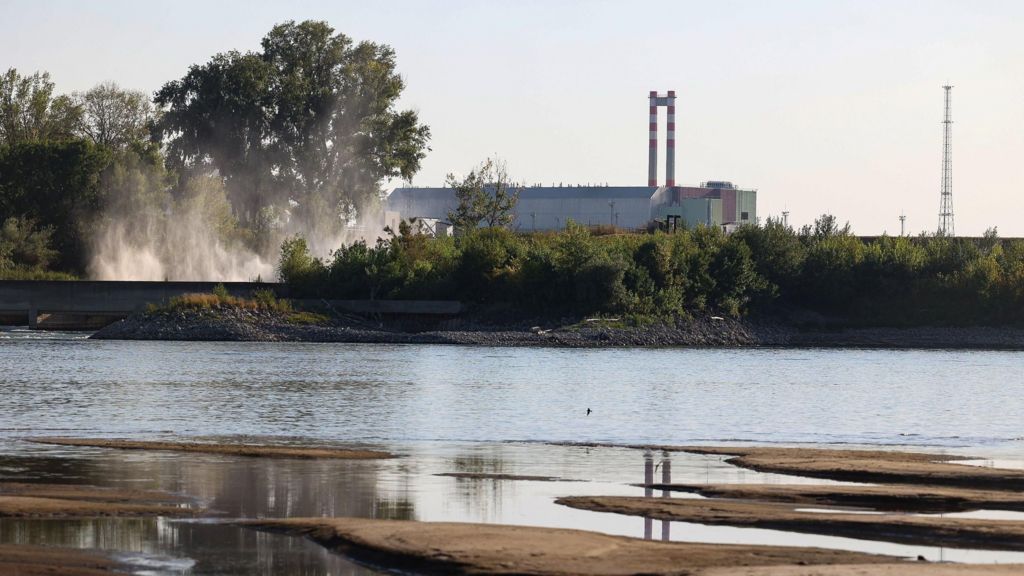
The failure of the aging Soviet-era Paks nuclear power plant in Hungary, now forced to shut down due to record-low water levels in the Danube, serves as a stark reminder of the fragility of modern energy grids.
With the river level dropping so low that cooling intake nozzles can no longer function, Prime Minister Péter Magyar has warned that the nation faces a critical energy supply shortage.
The government is now resorting to desperate measures, urging citizens to curb electricity use during peak hours and threatening a 'rotational shutdown regime' to keep the national grid from collapsing.
The crisis is not contained to Hungary; Romania is suffering a similar fate, with the Cernavoda nuclear plant forced to take one of its two reactors offline as river flow plummeted to less than a third of its historical average.
As shipping grinds to a halt and cruise vessels run aground, the reality of the situation is clear: reliance on centralized, vulnerable infrastructure during extreme weather events leaves nations dangerously exposed.
While officials point to climate patterns and low rainfall, the immediate consequence is a scramble to manage a power supply that can no longer meet the demands of a modern economy.
Tags


