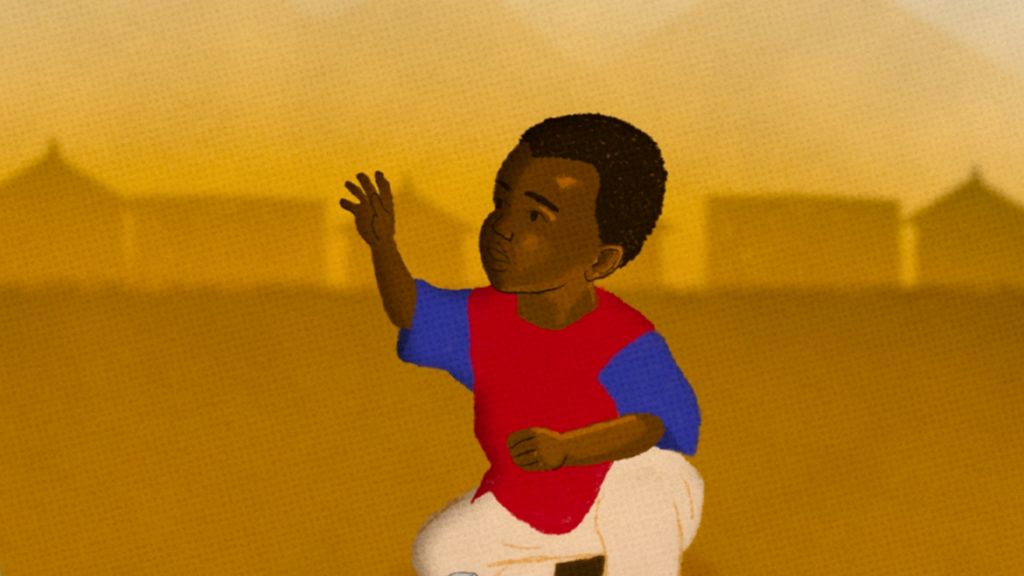
The civil war in Sudan, fueled by a power struggle between the national military and the paramilitary Rapid Support Forces (RSF), has spiraled into a humanitarian disaster that is now impacting the next generation.
Thousands of children, many born as a result of sexual violence perpetrated by armed actors during the conflict, are being denied birth certificates and legal identities. This administrative collapse leaves these children in a state of limbo, unable to access essential vaccinations, schooling, or future legal protections.
While Sudanese law theoretically provides a pathway for registration, the reality on the ground is a total breakdown of civil services. In regions like Darfur, where the RSF and allied militias have seized territory, civil registry offices are shuttered, and the infrastructure required to process legal identity has vanished.
Aid organizations report that the situation is exacerbated by deep-seated social stigma, which prevents many victims of sexual assault from reporting crimes to authorities—a necessary step under current law to initiate the registration process for their children.
As the conflict persists, the lack of documentation effectively bars these children from participating in society, creating a permanent class of individuals without legal standing.
Legal experts and aid workers warn that without a concerted effort to restore civil registry functions in accessible areas, a generation of Sudanese children will be left without the most basic rights of citizenship, trapped in a cycle of instability and state failure.
Tags


