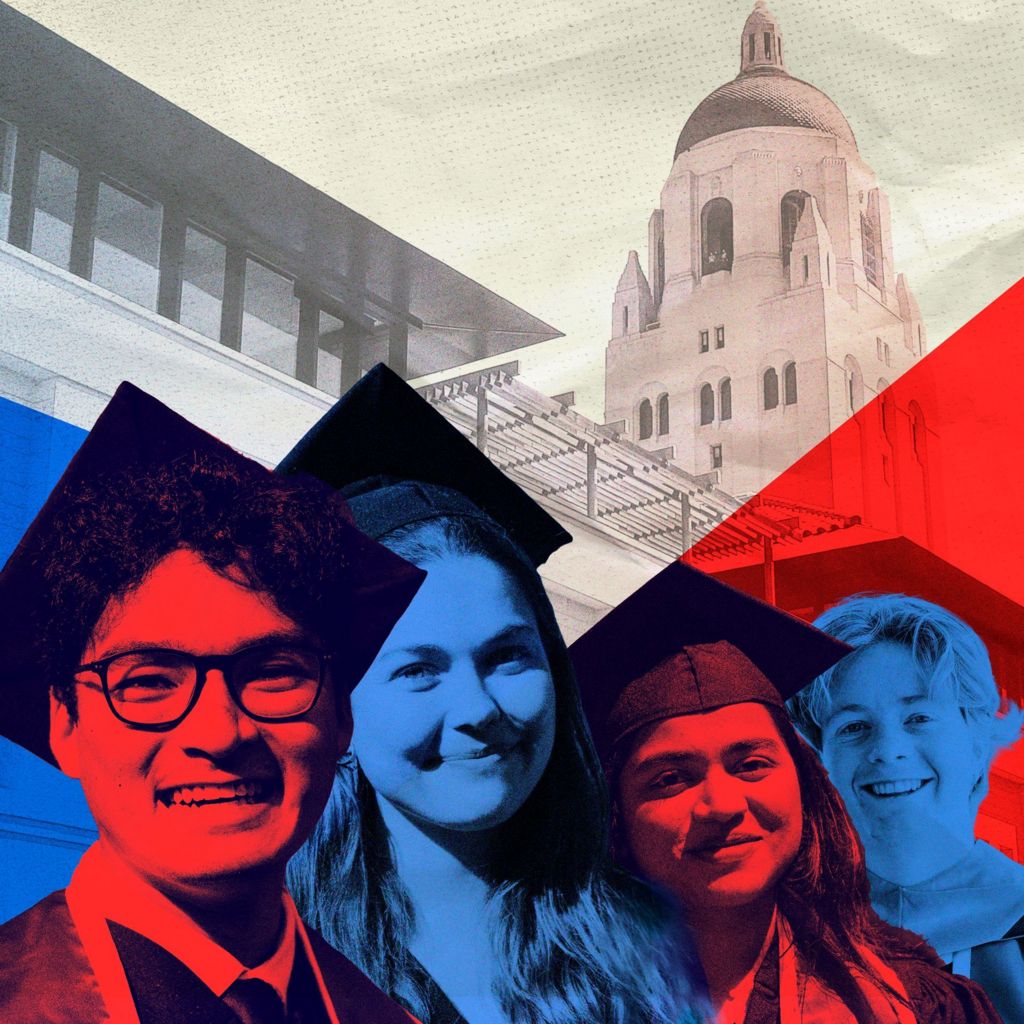
The ivory tower is showing cracks as the latest crop of Stanford graduates turned a commencement address by Google CEO Sundar Pichai into a platform for political grandstanding.
While the university remains a premier incubator for the tech industry, a segment of the graduating class chose to stage a walkout, brandishing signs and chanting slogans against the very companies that have long provided their golden ticket to success.
The protesters targeted Google’s contracts with the Israeli military and federal immigration enforcement, proving that even at the heart of Silicon Valley, ideological conformity is taking precedence over professional decorum. Beyond the theatrics, the graduating class is grappling with a deep-seated anxiety regarding artificial intelligence.
While some students recognize AI as a transformative tool for innovation, others are paralyzed by the rapid pace of technological change, expressing concerns over job security and the erosion of traditional human skills. This skepticism is compounded by reports of a tightening job market for recent graduates in tech-heavy sectors.
As these students enter a workforce fundamentally reshaped by the tools they claim to fear, the tension between the university's legacy of innovation and the rising tide of campus activism remains on full display.
Tags


