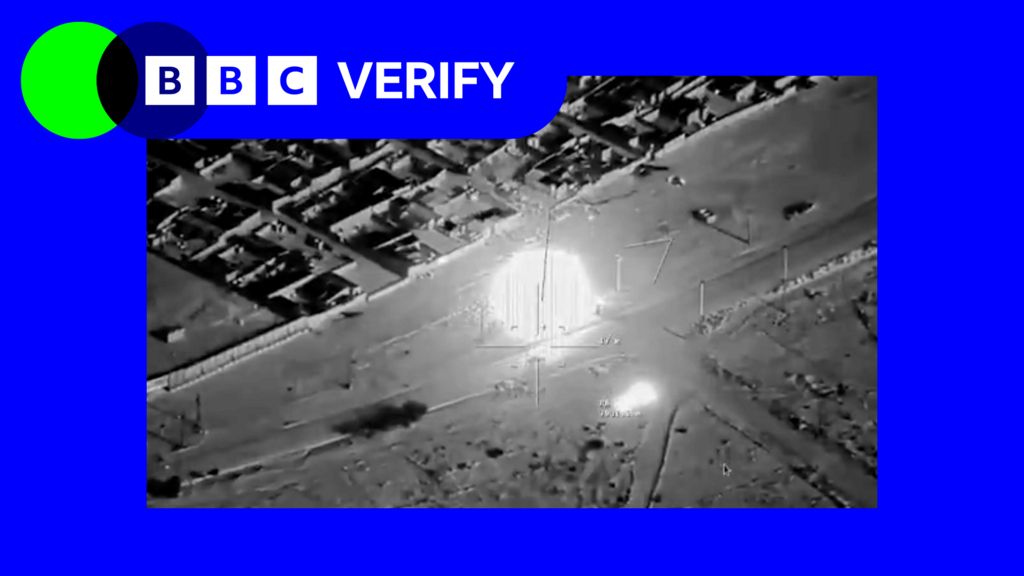
The security situation in Mali has reached a boiling point as Russian-backed Africa Corps forces launched a series of air strikes against rebel insurgents near the capital of Bamako. This escalation follows a coordinated offensive by jihadist and Tuareg separatist groups that resulted in the death of Malian Defence Minister Sadio Camara.
The attack on the minister’s residence in the town of Kati, which involved a suicide vehicle-borne improvised explosive device, leveled the property and signaled a dangerous shift in rebel tactics toward targeting major urban centers.
In response, Russian mercenaries—who have operated in the country since 2021—deployed attack helicopters and drones to strike rebel convoys. Despite this show of force, the security outlook remains grim.
The Africa Corps has confirmed a retreat from the strategic northern base of Kidal, leaving behind armored personnel carriers and other military equipment that has since been captured by insurgent forces.
This withdrawal, coupled with the loss of territory in Tessalit, underscores the ongoing struggle to contain groups like the al-Qaeda-linked JNIM and the Azawad Liberation Front.
While Moscow’s presence was intended to stabilize the region following the departure of Western forces, the reality on the ground suggests that the current security arrangement is failing to stem the tide of insurgency.
As the conflict intensifies, the Malian government faces a precarious future, with rebels now emboldened enough to strike at the heart of the nation's leadership.
Tags


