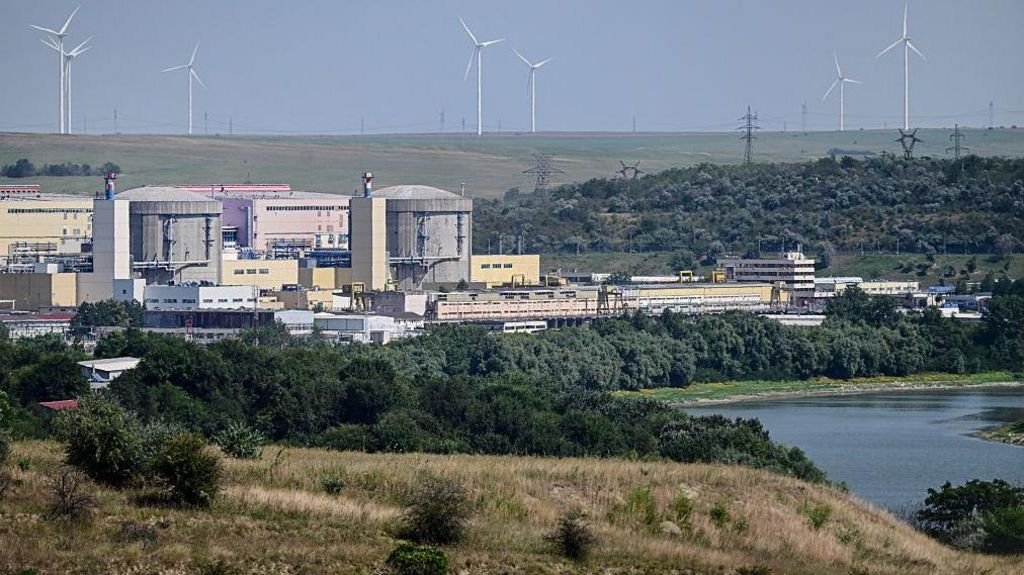
Romania’s energy security has taken a major hit as the Cernavodă nuclear plant, which generates 20% of the nation's electricity, was forced to shut down. The plant relies on the Danube River for cooling, but record-low water levels—the lowest in 30 years—have rendered operations impossible.
Plant director Romeo Urjan confirmed that the facility, which had only been shut down once before in 2003, is not expected to be operational for at least another 10 days. Authorities even resorted to sinking barges loaded with rocks in a desperate attempt to manipulate water flow, yet the crisis persists.
This shutdown forces Romania to rely on imports and traditional coal and gas generation to cover the shortfall, as hydropower capacity has also been crippled by the drought.
Across Europe, the situation is dire; Hungary’s Paks nuclear plant faces similar threats, and the continent is grappling with massive economic losses from heat-related damage, wildfires, and agricultural failure.
While European officials fret over the economic impact and climate trends, the immediate reality is a destabilized power grid that leaves nations vulnerable when they need reliable energy the most.
Tags


