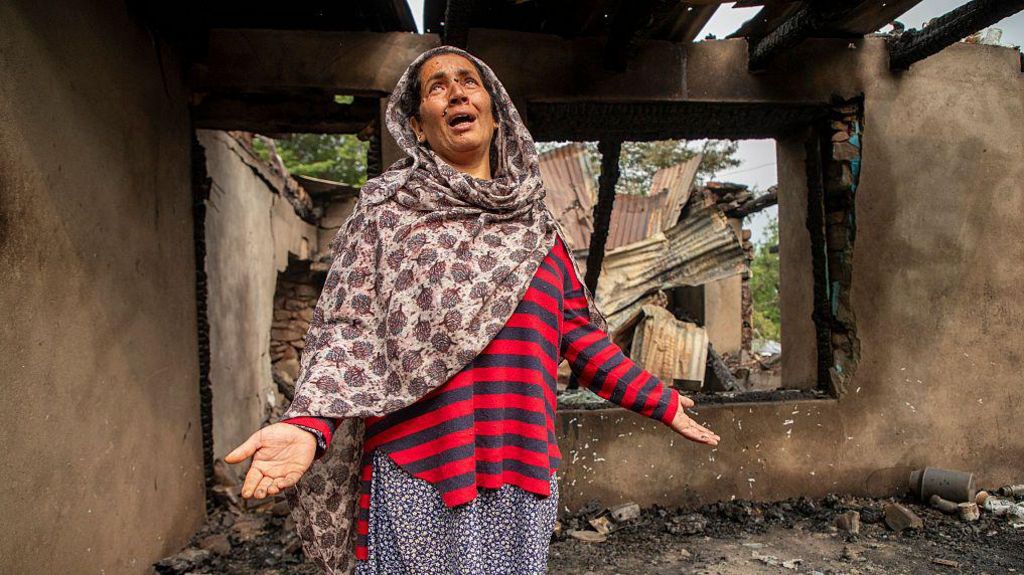
One year after a four-day military conflict brought South Asia to the brink, the region remains trapped in a brittle stalemate. The 2025 crisis, sparked by a deadly militant attack on tourists in Indian-administered Kashmir, resulted in targeted military strikes and a retaliatory response that lasted less than 90 hours.
Despite the brevity of the engagement, the diplomatic fallout has left relations in a deep freeze, with little appetite for normalization from either New Delhi or Islamabad.
Analysts note that the conflict fundamentally shifted regional perceptions, as Pakistan’s ability to withstand the initial Indian response forced a recalibration of the perceived power balance. This period has been marked by a transition to a high-tech, drone-heavy battlefield, leading both nations to accelerate defense spending and military modernization.
India has adopted a firm stance, signaling that future acts of terrorism will be treated as acts of war, and has effectively suspended the Indus Waters Treaty. Conversely, Pakistan continues to rely on its escalation strategy, banking on the belief that the threat of nuclear conflict will compel international intervention.
While both nations face internal pressures—India navigating a complex global diplomatic landscape and Pakistan grappling with severe economic instability—the current reality remains a tense 'new normal.' With both Prime Minister Narendra Modi and Field Marshal Asim Munir maintaining significant control over their respective national security policies, the path toward renewed diplomacy remains blocked by mutual distrust and a shared commitment to strategic deterrence.
Tags


