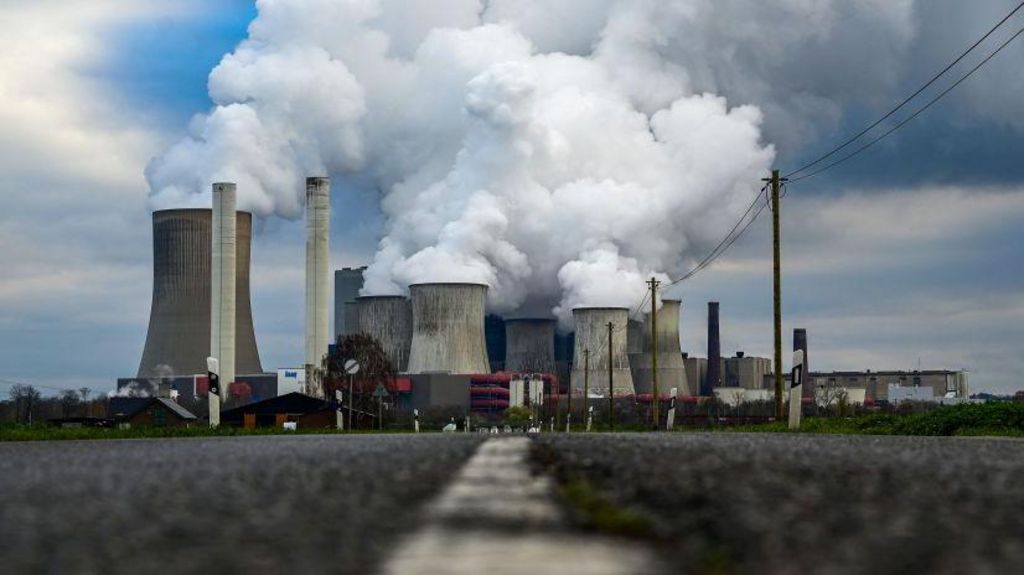
Germany’s long-standing crusade to eliminate coal power—a policy known as 'kohleausstieg'—is hitting a brick wall of economic reality. After foolishly decommissioning its last nuclear power plants in 2023, the nation finds itself trapped between the unreliability of wind and solar and the soaring costs of imported natural gas.
With global energy markets in flux, the German government is now forced to consider a 'phase-out of the phase-out' to prevent its industrial sector from collapsing. Chancellor Friedrich Merz has rightly signaled that he will not sacrifice the nation's core industry for the sake of arbitrary, unrealistic climate targets.
While left-wing factions in the government continue to prioritize green ideology, industry leaders are sounding the alarm, warning that renewable energy alone cannot guarantee the reliable, affordable power required to keep German manufacturing competitive.
As the country stares down the barrel of a potential energy crisis, it is finally acknowledging that its massive, readily available domestic lignite reserves may be the only thing standing between the nation and total energy insecurity.
A parliamentary committee is now debating whether to extend the life of coal-fired plants, proving once again that when green fantasies meet the cold, hard facts of national survival, the laws of economics usually win.
Tags


