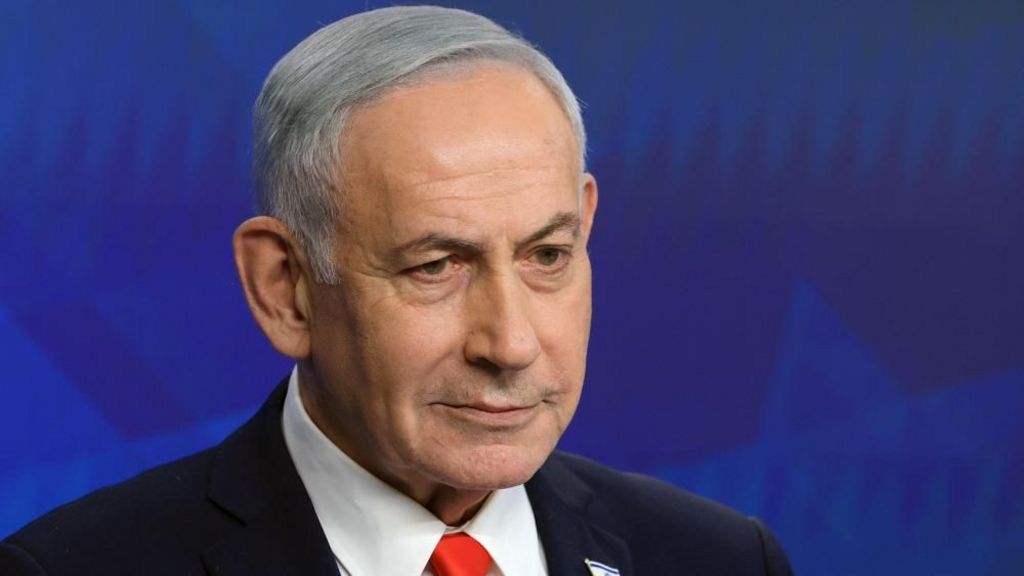
Benjamin Netanyahu finds himself at a critical juncture as the latest U.S. ceasefire agreement with Iran creates significant friction for Israel's security objectives.
While Netanyahu has long positioned himself as the definitive guardian of Israeli sovereignty and a staunch opponent of the Iranian regime's nuclear ambitions, the current diplomatic landscape has left him in a difficult position. The agreement, which demands a halt to military operations in Lebanon, has drawn sharp criticism from within his own coalition.
National Security Minister Itamar Ben-Gvir has explicitly stated that Israel is not bound by the terms of the deal, asserting that the nation will continue to prioritize its own security regardless of international pressure.
Despite public criticism from President Trump regarding recent strikes in Beirut, Netanyahu remains firm on his core objective: ensuring Iran never acquires nuclear weapons. He maintains that Israel will preserve its operational freedom to respond to threats, despite the logistical strain of maintaining a presence in Gaza, Lebanon, and Syria.
As the nation approaches a general election, the opposition is attempting to frame the situation as a choice between confronting an ally or capitulating to regional adversaries.
However, Netanyahu continues to emphasize that Israel’s primary duty is to its own survival, signaling that he will not allow foreign-brokered constraints to dictate the defense of the Jewish state.
Tags


