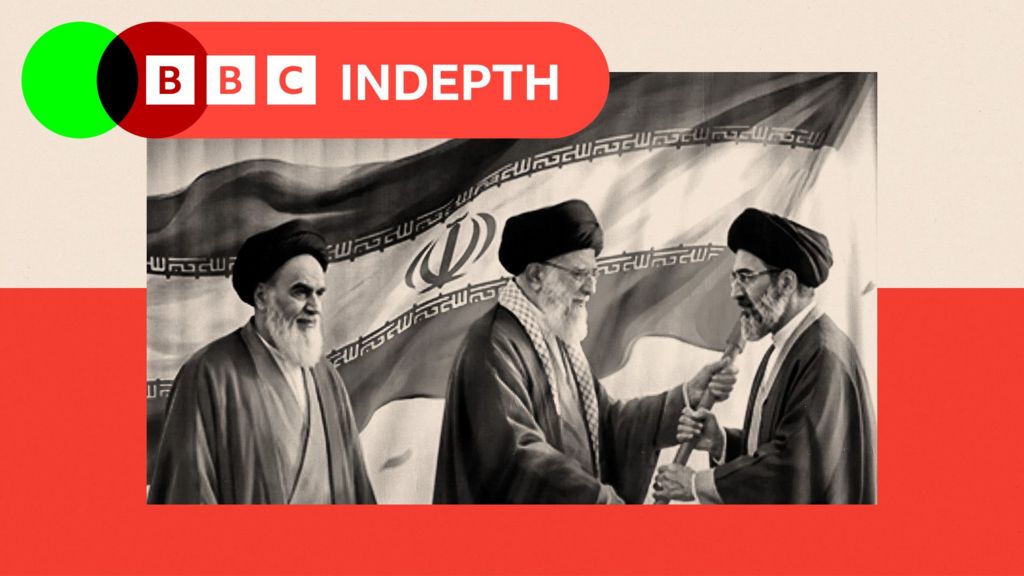
The Islamic Republic of Iran is undergoing a profound transition as a new generation of leadership seizes control following the death of Ayatollah Ali Khamenei. Khamenei was killed four months ago during the initial joint US-Israeli airstrikes that decimated the regime’s top ranks.
Now, the reins of power have been handed to a younger, more aggressive cadre, including new Supreme Leader Mojtaba Khamenei and President Masoud Pezeshkian. These figures, many with deep ties to the Iranian Revolutionary Guard Corps (IRGC), represent a shift away from the previous generation's 'no war, no peace' strategy.
Unlike their predecessors, this new leadership has demonstrated a willingness to engage in direct, high-stakes conflict, including missile attacks on US bases that resulted in the deaths of six American soldiers and injuries to hundreds more.
Despite the destruction of key Iranian proxies like Hamas and the collapse of the Assad regime in Syria, the Islamic Republic remains standing, having leveraged its control over the Strait of Hormuz to pressure the global economy.
While the regime faces internal pressure from a disillusioned populace, it is currently prioritizing state survival and pragmatic consolidation. The US and Iran have entered a diplomatic process, with the regime already securing temporary sanctions waivers for oil exports.
As the region recalibrates, the new Iranian leadership is betting that its ability to withstand a massive military assault and its willingness to act decisively will allow it to rewrite the rules of the Middle East.
Tags


