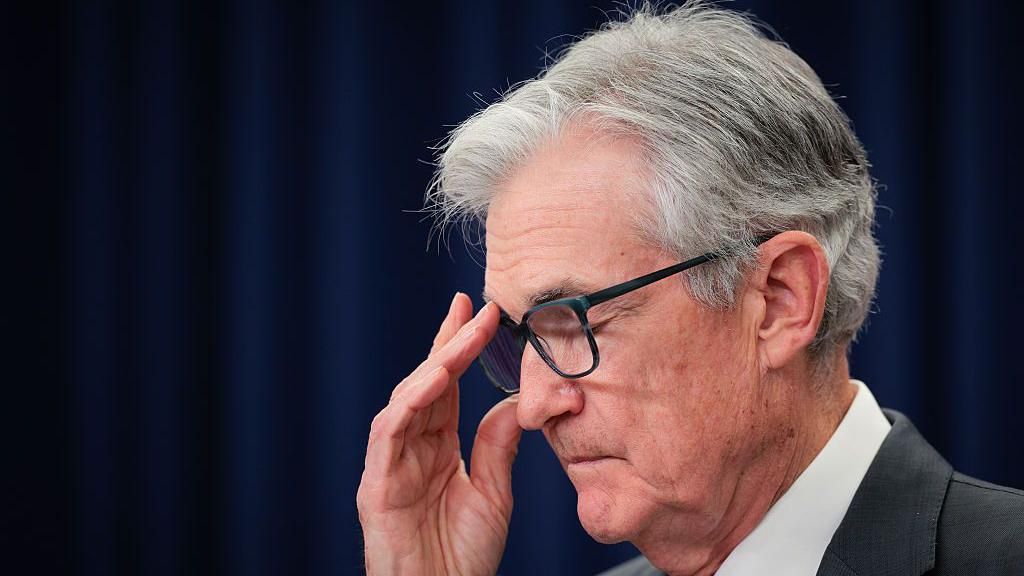
The Federal Reserve has opted to hold interest rates steady between 3.5% and 3.75%, a decision made during what is expected to be Jerome Powell’s final meeting as chair. The move comes as the central bank grapples with the economic fallout of the US-Israel conflict with Iran, which continues to drive up energy costs and grocery prices for American families.
With inflation ticking up to 3.3% in March—the highest level since May 2024—the Fed remains in a 'wait and see' posture, with some economists suggesting that the ongoing blockade of Iranian ports could delay any potential rate cuts until 2027. Amidst this economic volatility, the political landscape at the Fed is shifting.
Kevin Warsh has cleared a key Senate committee hurdle and is poised to take over as chair, with his full confirmation now appearing to be a mere formality. While Powell prepares to step down as chair, he intends to remain on the Fed board until 2028, citing ongoing legal investigations.
Powell expressed concern over the Trump administration’s aggressive oversight of the institution, labeling the legal scrutiny as unprecedented.
However, with Republican leadership in the Senate moving to finalize the transition to Warsh, the focus remains on whether the new leadership can successfully navigate the dual pressures of global conflict and the need for a stable, independent monetary policy.
Tags


