Tuesday, June 23, 2026

RN

Right News

Foreign Policy

Biden Administration Deal Cedes Control of Strait of Hormuz to Iran

New agreement allows Tehran to dictate maritime traffic and profit from sanctioned oil sales while US naval presence retreats.

Foreign PolicyPublished June 23, 2026 at 2:55 PM
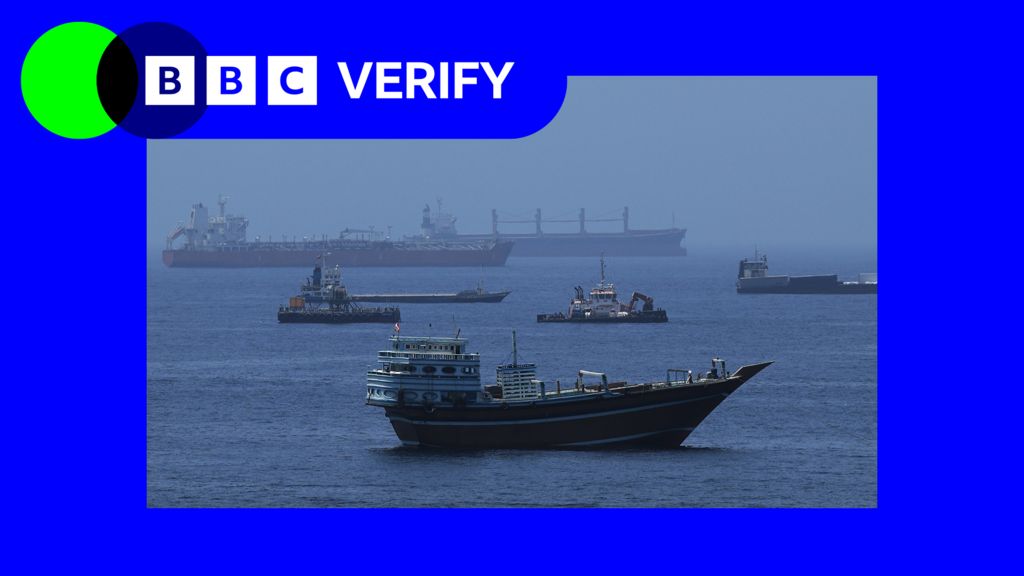
An image of ships in the Gulf of Oman with Verify branding

The Biden administration’s latest diplomatic gamble has effectively handed the keys to the Strait of Hormuz to the Iranian regime. Under the terms of a new agreement, the US has lifted its naval blockade, allowing Iran to exert control over one of the world’s most vital shipping lanes.

Data from Kpler confirms that while traffic has resumed, it remains well below pre-conflict levels, with vessels forced to navigate Iranian-approved routes rather than the US-recommended paths. The deal has already provided a massive windfall for the mullahs in Tehran.

The US Treasury has issued licenses allowing for the sale of Iranian crude and petrochemicals, leading to at least 30 tankers departing the Gulf laden with Iranian oil. Even more concerning, at least five tankers previously sanctioned by the US for their ties to the regime were tracked moving through the strait this week, carrying millions of barrels of oil.

Despite the administration's claims of a breakthrough, the reality on the ground is one of Iranian intimidation. The regime’s Persian Gulf Strait Authority—an entity sanctioned by the US—is now demanding that vessels obtain Iranian permits to pass.

Meanwhile, the Iranian Revolutionary Guard Corps continues to issue conflicting reports, at one point claiming the strait was closed in response to regional conflicts.

While the Joint Maritime Information Center warns of active sea mines in the central lanes, the administration’s capitulation has left commercial shipping at the mercy of a hostile regime that has spent decades threatening global energy security.

By prioritizing this flawed deal over sustained pressure, the White House has traded long-term strategic stability for a temporary, and highly questionable, reprieve.

Tags

iranforeign-policyoilnational-security

More in Foreign Policy

A man riding a motorcycle past destroyed buildings in the village of Mayfadoun, southern Lebanon (23 June 2026)
Foreign Policy51m ago

Israel Neutralizes Hezbollah Terrorists Violating Security Zone

Israeli soldiers neutralized two Hezbollah operatives who infiltrated a restricted security zone and ignored repeated warning shots, maintaining Israel's right to defend its borders.

Oil tanker HELGA is moored at one of Iraq's southern offshore oil terminals near Basra as it prepares to load crude oil
Foreign Policy5h ago

Tehran Backtracks on Nuclear Inspections as Biden-Era Sanctions Are Dismantled

The Iranian foreign ministry is publicly denying Vice-President JD Vance’s claims that Tehran agreed to allow nuclear inspectors back into the country, casting doubt on the administration's new diplomatic roadmap.

A close-up shot of a Dettol product
Foreign Policy9h ago

Dettol Woke Marketing Disaster Backfires in China

Dettol was forced to pull a controversial advertisement in China that attempted to lecture consumers on gender politics by equating men with germs.