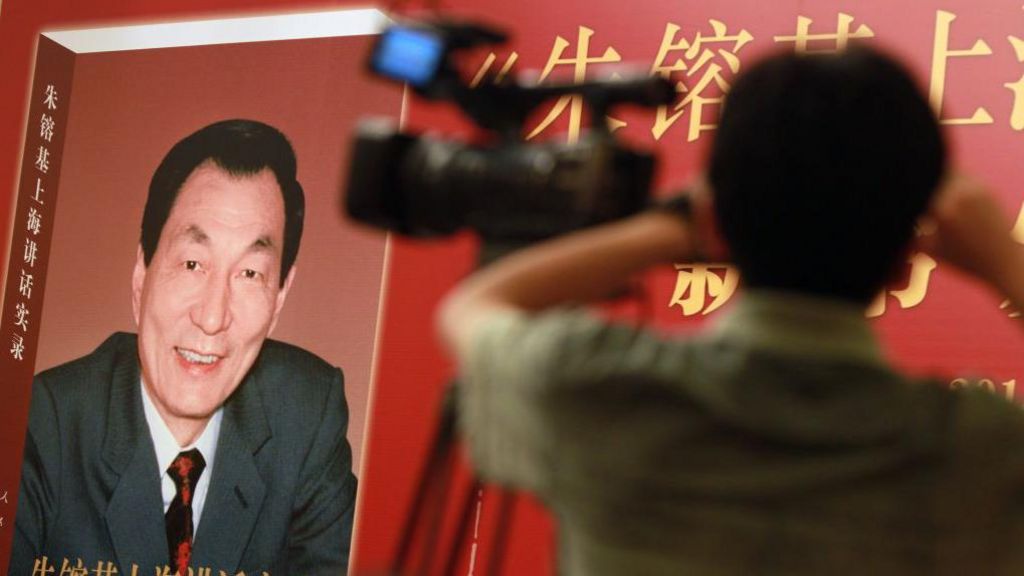
The Chinese Communist Party is working overtime to ensure that the death of former Premier Zhu Rongji does not spark a public reckoning with the current state of the nation.
While the state held a low-key funeral for the 97-year-old former leader, authorities have moved swiftly to scrub social media of any content that contrasts the economic reforms of the 1990s with the rigid, state-controlled stagnation of President Xi Jinping’s era.
Online essays, such as one by economist Zhao Jian that fondly remembered a time when citizens felt they had a clear future, were promptly deleted by censors. The regime’s anxiety is rooted in history; the deaths of past officials have historically served as catalysts for widespread public protests against the Party.
President Xi, who has pivoted away from the private-sector growth and global trade integration championed by Zhu and his predecessor Jiang Zemin, is now forcing a sanitized historical narrative. By framing his own state-driven policies as the natural evolution of his predecessors, Xi is attempting to silence any 'what if' scenarios regarding China’s path.
This suppression comes as the Chinese economy faces significant headwinds, including plummeting property values and high youth unemployment, leaving many citizens to wonder why the promise of prosperity has been replaced by the emptiness of a state-managed decline.
Tags


