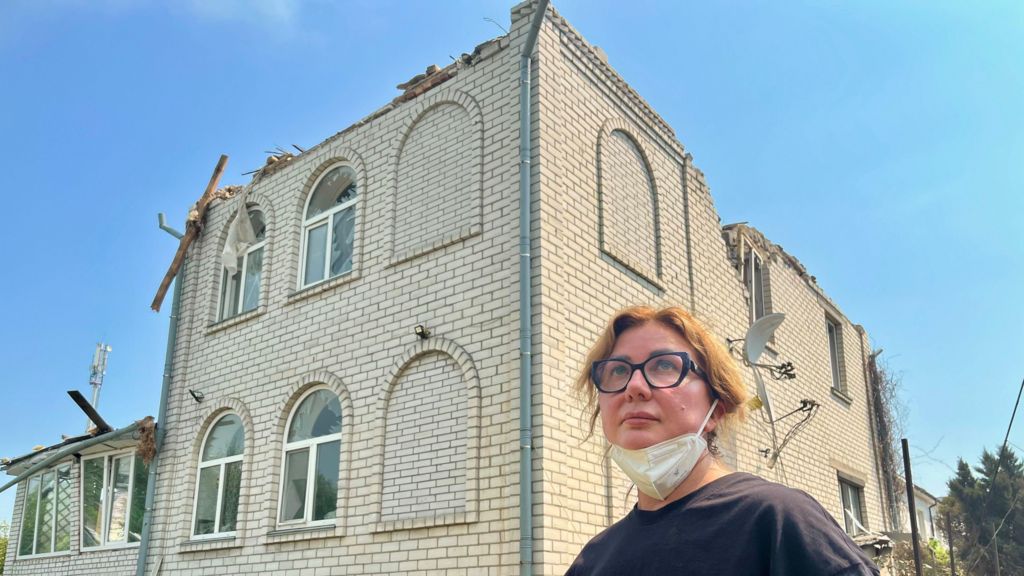
The brutal reality of war has returned to the streets of Kyiv, where a massive Russian aerial assault—consisting of 115 drones and 24 ballistic missiles—has left 21 people dead and scores more injured.
While Ukrainian forces managed to neutralize many of the drones, the country’s depleted air defense systems failed to intercept a single ballistic missile, allowing them to slam into logistics hubs, warehouses, and civilian infrastructure.
The devastation at the Kvitneva railway station serves as a grim reminder of the stakes: without the necessary interceptor missiles, Ukraine’s skies remain defenseless against Moscow’s aggression.
President Volodymyr Zelensky has been clear about the consequences of these shortages, noting that the lack of interceptors directly empowers Russia to continue its deadly campaign.
While Ukraine possesses Patriot systems, they are effectively neutralized by a lack of ammunition—a situation one military expert likened to owning a high-performance vehicle with no fuel.
As the U.S. balances its own stockpiles and strategic interests, the delay in replenishing these critical assets has left both the Ukrainian people and the expensive defense systems themselves increasingly vulnerable to Russian targeting.
For the citizens on the ground, the message is clear: survival is increasingly tied to the decisiveness of international partners and the availability of the technology required to stop these missiles in their tracks.
Tags


