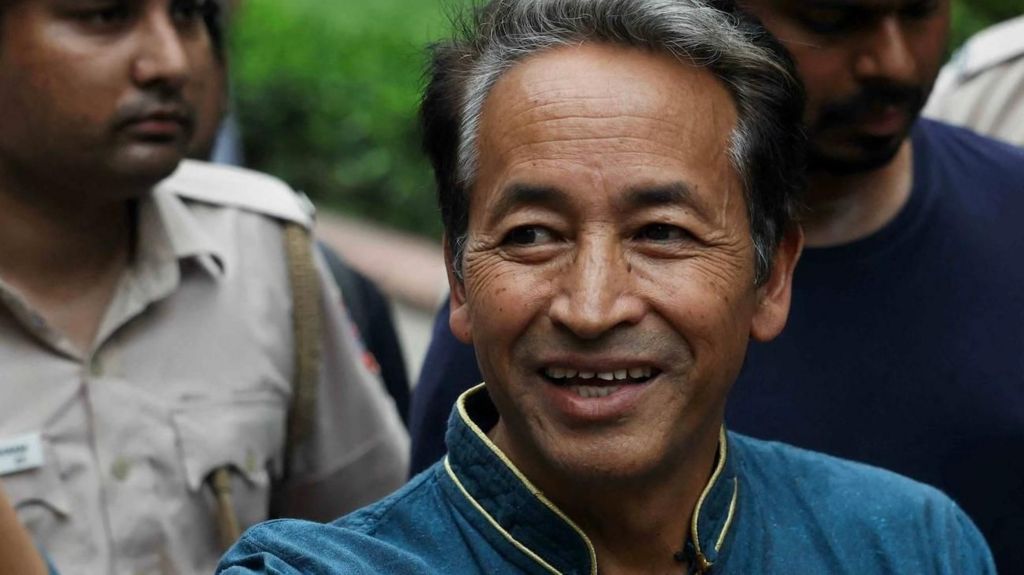
Indian activist Sonam Wangchuk claims that a recent wave of youth-led protests has severely damaged the political standing of Prime Minister Narendra Modi and his government. The movement, which gained momentum following a 26-day hunger strike by Wangchuk, culminated in the resignation of Education Minister Dharmendra Pradhan on July 25.
The protests, dubbed the 'cockroach' movement by participants in response to a controversial remark by India's chief justice, were initially fueled by anger over the leaking of exam papers.
In response to the unrest, the Modi administration has moved to establish fast-track courts for those accused in the leaks and has appointed a tech executive to oversee examination system reforms. Despite these government actions, Wangchuk argues that India faces systemic issues, specifically a graduate unemployment rate he estimates at 35-40%.
He contends that the current education system fails to align with modern job market needs and requires fundamental restructuring. While the government maintains that its macroeconomic policies are robust and that unemployment concerns are overstated, the political fallout continues to be debated.
Wangchuk points to recent by-election losses for the ruling BJP as evidence of the government's waning influence. Meanwhile, reports indicate that some protesters continue to face legal challenges and police scrutiny, even as the Supreme Court has advised authorities against coercive measures for those without prior criminal records.
Wangchuk, who has previously engaged in hunger strikes regarding regional autonomy in Ladakh, insists that non-violent resistance remains a potent tool for forcing government accountability.
Tags


