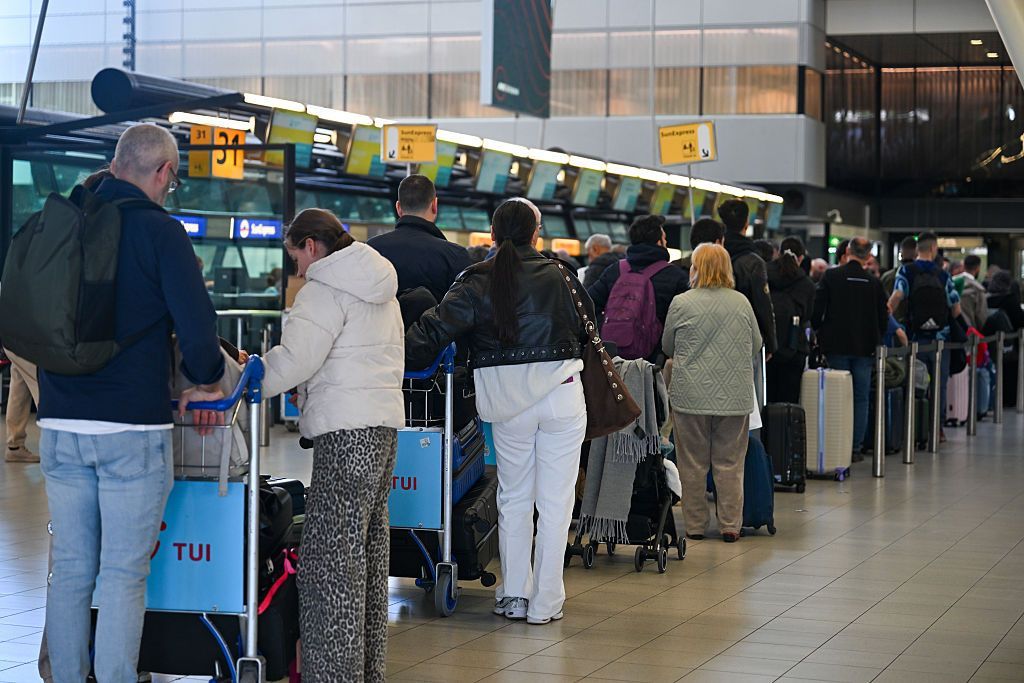
The European Union’s latest attempt to tighten border control, the Entry/Exit System (EES), is proving to be a logistical nightmare for British travelers. Designed to replace manual passport stamping with a mandatory biometric registration process—requiring fingerprints and photos—the system is creating massive bottlenecks at airports across the continent.
While bureaucrats in Brussels claim the system is necessary to track movement within the 29-country Schengen zone, the reality on the ground is long, frustrating queues that have already caused some passengers to miss their flights entirely.
Industry experts and airline representatives have warned that wait times could stretch as long as six hours, with some airlines, such as Ryanair, making it clear they will not hold flights for passengers delayed by these government-mandated checkpoints.
The incompetence of the rollout is further highlighted by the fact that some countries, like Greece, have been forced to suspend the checks during peak periods to avoid total gridlock.
Even at transit hubs like Dover and St Pancras, where French authorities conduct pre-departure checks, the system has struggled to function, leading to significant delays even before the full biometric requirements were strictly enforced.
As the EU prepares to layer on even more red tape with the upcoming ETIAS visa waiver system in 2026, it is clear that the convenience of international travel is being sacrificed at the altar of increased government surveillance and administrative overreach.
Tags


