The European Union’s commitment to open borders is crumbling under the pressure of reality as Spain and Italy engage in a diplomatic and logistical standoff.
Following a staggering surge of 78,000 migrants who stormed the Spanish exclave of Ceuta from Morocco, Italy moved to suspend the Schengen agreement to prevent the influx from reaching its own territory. Spain, led by socialist Prime Minister Pedro Sanchez, has retaliated by imposing its own restrictive border controls on air and sea travel from Italy.
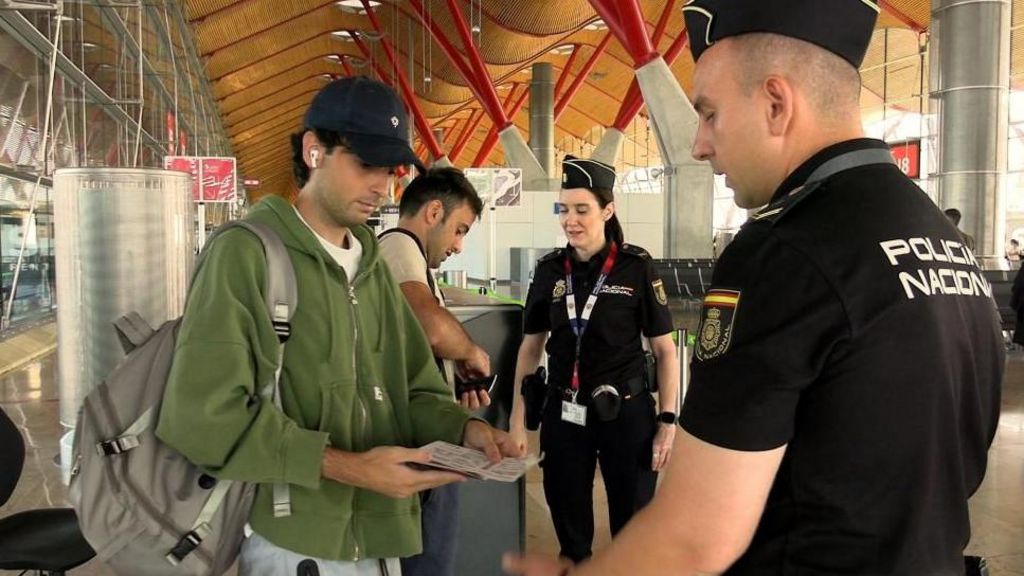
While Spanish officials dismiss Italy’s security concerns as 'spurious,' passengers arriving in Madrid report mandatory passport checks, contradicting official claims that such measures are merely random.
The crisis has laid bare the consequences of judicial overreach, with reports indicating that a Spanish Supreme Court ruling against summary returns effectively collapsed border deterrence. As criminal networks exploit the situation to coordinate further crossings, the reality remains that thousands of migrants—including nearly 1,400 minors—remain in Ceuta.
While the EU blames 'disinformation' for the surge, the failure to maintain national sovereignty has forced member states to prioritize their own borders over the failing project of borderless travel.
With Italy’s controls supported by Finland and Denmark and the Czech Republic calling for a suspension of Spain’s Schengen membership, the incident serves as a stark reminder that when nations fail to secure their borders, chaos is the inevitable result.
Tags


