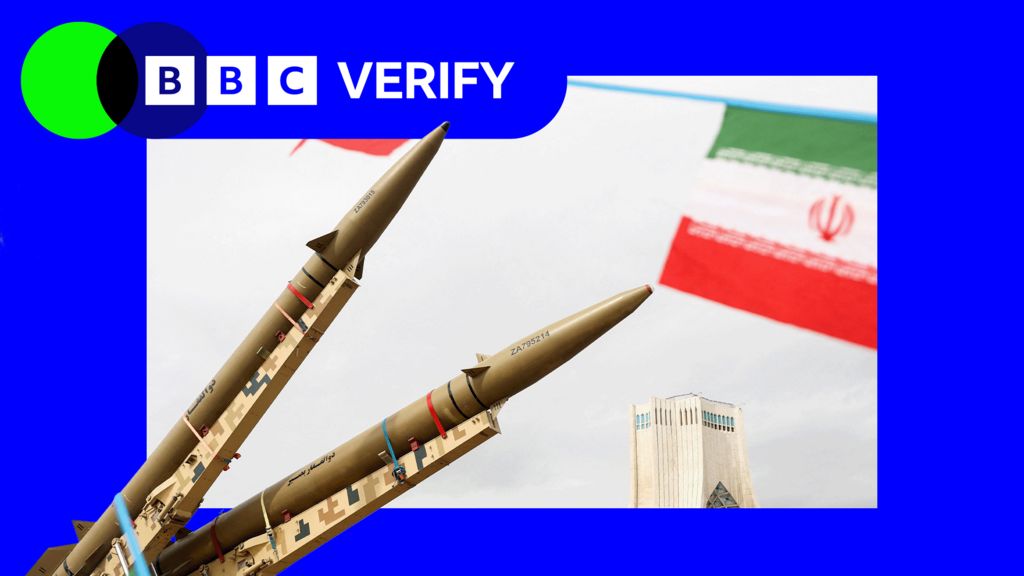
Following the decisive military strikes launched by the United States and Israel on February 28, President Donald Trump has formally signed a 14-point Memorandum of Understanding (MoU) with Iran to officially end the conflict.
This agreement serves as a framework for 60 days of intensive negotiations, marking a significant shift from the failed Obama-era JCPOA. The new document establishes a path forward regarding Iran’s nuclear program, economic sanctions, and the security of the Strait of Hormuz.
While the JCPOA was a finalized, multi-year agreement, this MoU functions as a strategic roadmap. The text includes a reaffirmation from Iran that it will not develop nuclear weapons, and both parties have committed to discussing the disposition of existing enriched uranium stockpiles.
Regarding economic measures, the agreement outlines a schedule to terminate sanctions, including immediate waivers for the export of Iranian crude oil and petroleum products. Furthermore, the plan includes a $300 billion initiative for reconstruction and development, to be funded by the U.S. and regional partners.
On the maritime front, the U.S. has agreed to end its naval blockade of Iranian ports within 30 days, while Iran has committed to ensuring the safe passage of commercial vessels through the Strait of Hormuz for the duration of the 60-day dialogue period.
As the administration navigates this transition, the focus remains on long-term regional security and the dismantling of the regime's capacity to threaten international interests.
Tags


