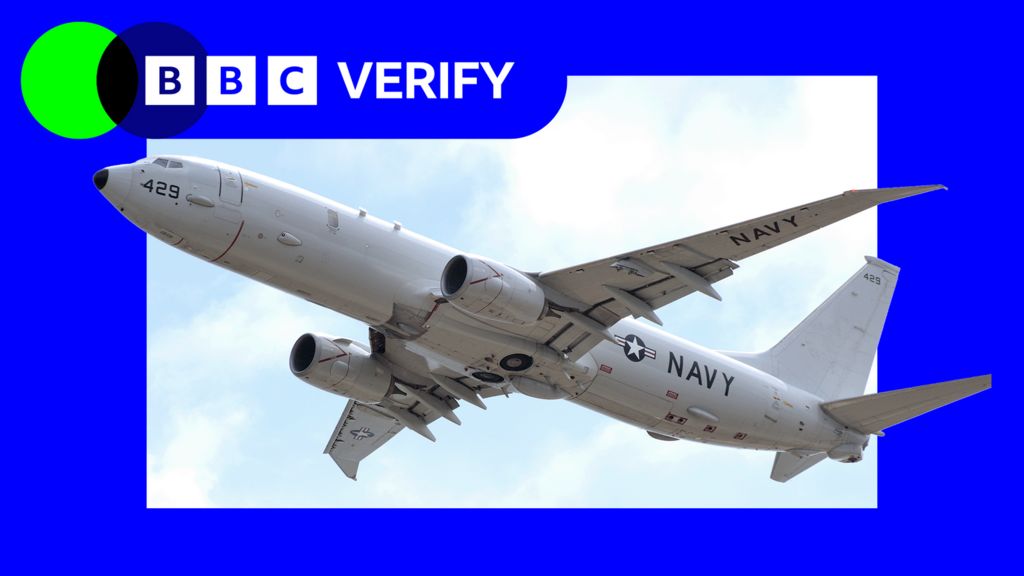
The United States is turning up the heat on Cuba’s failing communist regime, deploying Navy reconnaissance jets and drones to maintain a strict watch over the island.
Flight-tracking data confirms that at least five P-8A Poseidon aircraft and three MQ-4C Triton drones have been operating in the Caribbean since May 11, with some flights venturing within 50 miles of the Cuban coast.
Experts agree that leaving transponders active is a deliberate move by Washington to signal that it has eyes in the sky and is fully committed to enforcing an effective oil blockade.
This tactical pressure comes as the Cuban leadership faces internal collapse, marked by widespread power blackouts and public protests—a direct result of their own failed economic policies rather than American intervention.
While the regime in Havana attempts to play the victim, claiming the US is building a 'fraudulent case' for intervention, the reality is that the US is proactively deterring hostile actors like Venezuela from attempting to ship energy to the island.
Secretary of State Marco Rubio has correctly placed the blame for Cuba's hardships squarely on its communist masters, offering a path for the Cuban people while maintaining a firm stance against the regime. As retired Marine Corps Colonel Mark Cancian noted, these flights are clearly intended to spot and intercept incoming shipments.
By making these operations visible, the US is sending an unmistakable message: the days of the regime operating with impunity are over, and the blockade will be enforced.
Tags


