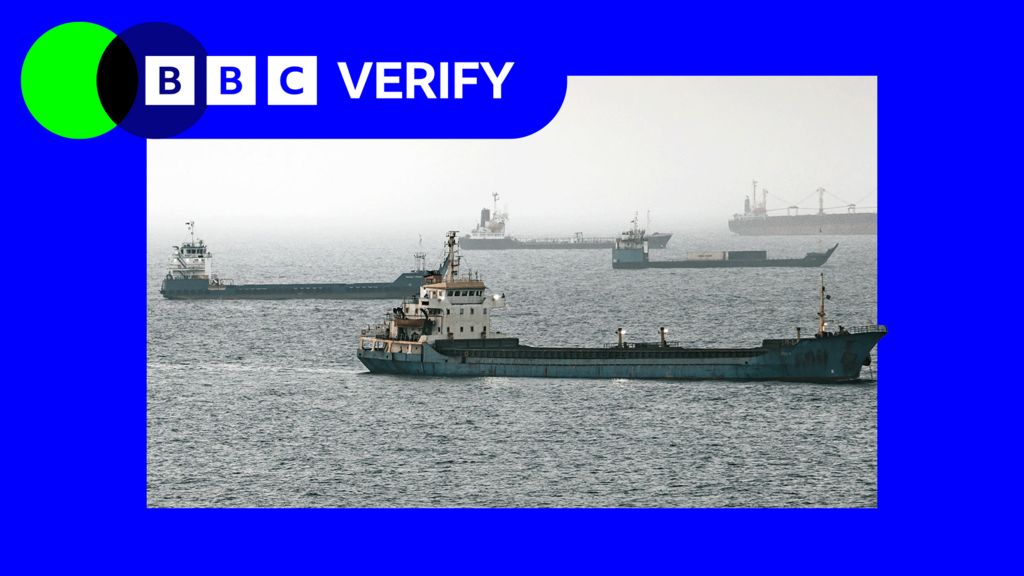
The Strait of Hormuz, a critical artery for global energy supplies, is once again the site of Iranian-led instability. Following a series of attacks on three tankers—including vessels owned by Qatar and Saudi Arabia—maritime traffic through the waterway has collapsed.
Data from the intelligence firm Kpler confirms that transit numbers dropped to just 23 ships on Wednesday, a sharp decline from the 47 recorded just one week prior.
These attacks targeted vessels utilizing the Omani route, a safe passage path supported by the Joint Maritime Information Center, which Iran continues to challenge in its pursuit of regional hegemony.
Despite a June 17 memorandum of understanding that supposedly committed Tehran to ensuring safe, fee-free passage for commercial vessels, the regime has returned to its familiar pattern of aggression and intimidation.
Tehran’s military command has brazenly insisted that only routes dictated by the Islamic Republic are 'safe,' a clear attempt to hold global trade hostage. President Trump has rightly declared the flawed memorandum 'over' after Iran’s latest violations, signaling that the regime’s bad-faith tactics have rendered previous diplomatic concessions moot.
As Iran’s Revolutionary Guard continues to issue threats against international powers, it is clear that neither economic incentives nor the promise of sanctions relief have deterred the regime. The current crisis serves as a stark reminder that when dealing with state sponsors of terror, strength and decisive action are the only languages they understand.
Tags


