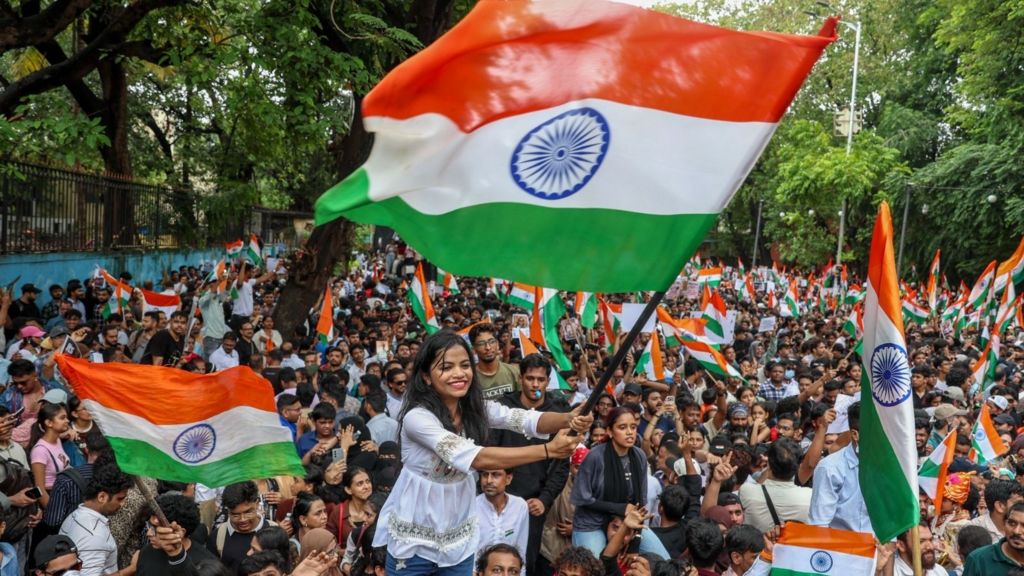
In a significant political development, Indian Education Minister Dharmendra Pradhan has resigned following more than a week of intense street protests. The unrest was triggered by the cancellation of the NEET medical entrance exam after a question paper leak, which affected nearly two million students and led to widespread outrage.
While the Modi administration has historically maintained a firm stance against yielding to public pressure, the pressure from a youth-led movement proved too great to ignore.
The protests, organized largely through social media platforms like Instagram, saw thousands of students take to the streets to demand accountability, education reforms, and compensation for families affected by the scandal.
Police interventions, including detentions and the use of force, were documented and shared widely online, which protesters claim only served to fuel the momentum of their movement. The resignation of a cabinet minister is a rare occurrence under the current government, which has previously only seen one such departure over allegations of sexual misconduct.
Despite the minister's exit, the movement shows signs of continuing, with activists citing broader grievances including high youth unemployment rates and concerns over the privatization of education.
While the government has pledged not to pursue those who participated in the demonstrations, authorities have already charged more than 100 protesters with various offenses, including attempted murder, and arrested over 40 individuals.
Activists remain wary of potential legal repercussions while expressing newfound confidence in their ability to challenge government policy.
Tags


