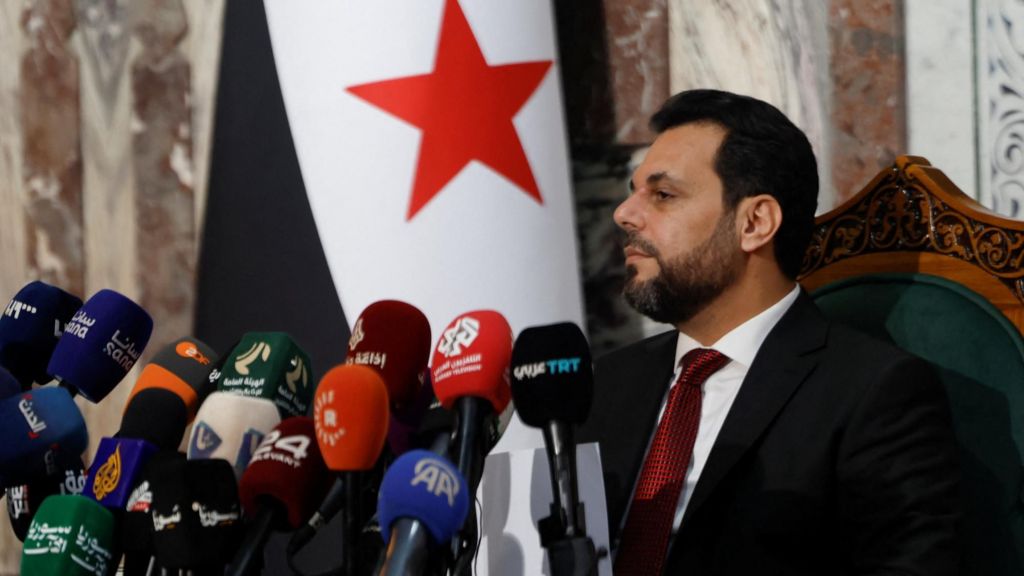
Syria’s interim leadership has finalized the composition of its new People's Assembly, with President Ahmed al-Sharaa appointing the final 70 members to the 210-seat legislature. The appointments include 15 women and 13 individuals who were imprisoned under the previous regime of Bashar al-Assad.
Officials claim these selections are designed to provide a mix of experience and sacrifice, incorporating academics, professionals, and those affected by the long-standing civil war. However, the process remains mired in controversy.
Critics, including various civil society groups and Kurdish political parties, have long argued that the electoral system is structurally flawed and heavily influenced by the executive branch. Concerns persist that the president’s authority to appoint one-third of the assembly and replace members at will undermines the institution's independence.
Meanwhile, the transition faces significant regional hurdles. Elections have yet to occur in the Druze-majority province of Suweida, which remains outside of state control following intense sectarian violence last year.
While the UN continues to push for a representative transition, the integration of former militia forces and the unresolved tensions in northern and southern provinces highlight the fragility of the current political roadmap.
Tags


