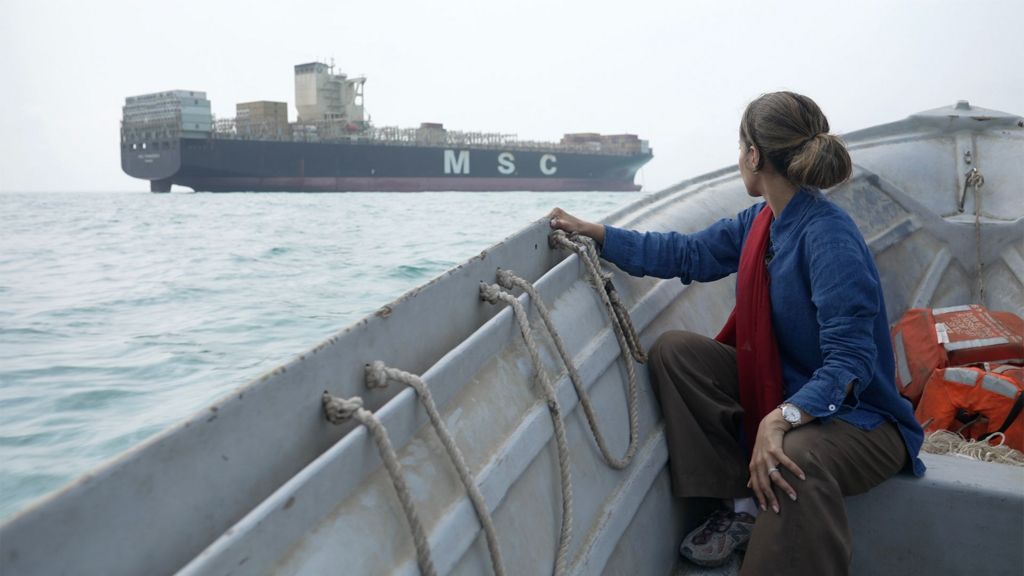
The Strait of Hormuz, a critical artery for global energy, remains a theater of Iranian aggression despite a tenuous ceasefire agreement.
While local life in the port city of Bandar Abbas attempts to return to a pre-conflict rhythm, the reality of the regime's belligerence is anchored in the harbor: the MSC Francesca and the Epaminondas, two container ships seized by the Islamic Revolutionary Guards Corps (IRGC) at the height of the conflict, remain in Iranian custody.
The IRGC continues to justify these seizures with vague claims regarding maritime security, effectively using international commerce as a tool of state extortion. The strategic importance of the region remains undiminished, serving as the home base for the IRGC’s naval arm and its doctrine of asymmetric warfare.
Recent military operations by the U.S. and Israel targeted key Iranian infrastructure, including missile sites and naval assets, in response to the regime's attempts to choke off the waterway.
While local Iranian officials, including Mayor Mehdi Nobani, maintain a defiant posture and claim the regime remains unbowed, the reality is that the conflict has significantly disrupted the local economy and infrastructure.
As negotiations proceed, the regime’s refusal to release seized vessels and its continued threats to close the strait underscore that the current peace is merely a tactical pause for a regime that views global shipping as a target rather than a common good.
Tags


