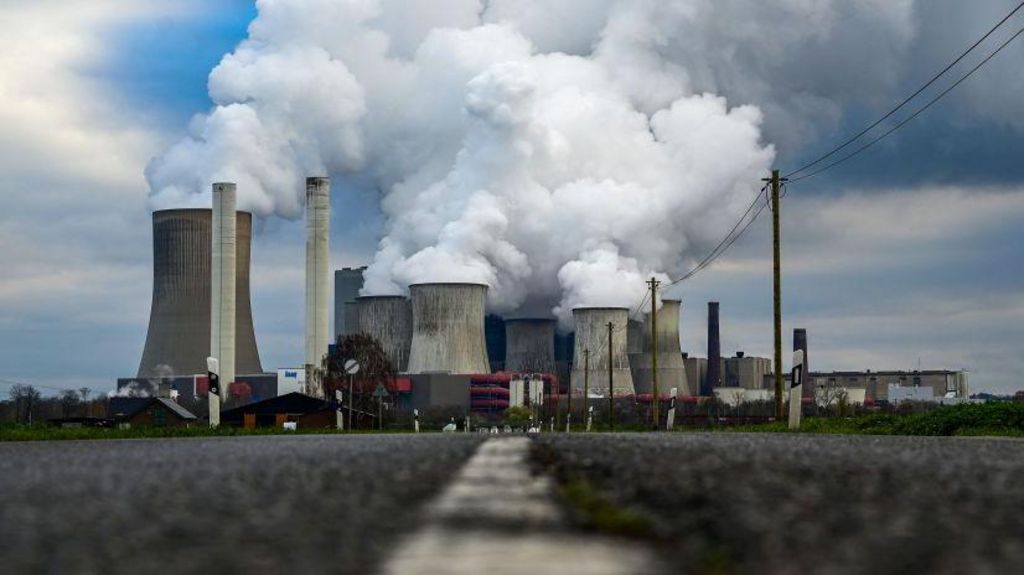
Germany’s long-standing crusade to eliminate coal power—a policy known as 'kohleausstieg'—is hitting a brick wall of economic reality.
Despite pledging to phase out coal by 2038, and even pushing the deadline for lignite to 2030, the nation is now confronting the fact that its reliance on intermittent wind and solar is insufficient to power a major industrial economy.
The self-inflicted energy crisis, exacerbated by the closure of all nuclear power plants in 2023, has left the nation vulnerable to volatile global gas prices.
While bureaucrats in Berlin cling to their green agenda, voices of reason are finally pointing out the obvious: Germany sits on massive, readily available reserves of lignite, yet it continues to import 95% of its natural gas.
Chancellor Friedrich Merz has signaled a shift, stating he is unwilling to sacrifice the core of German industry for unrealistic phase-out plans. Industry leaders are echoing this concern, noting that billions in investment will flee the country unless energy becomes reliable and competitively priced.
As the government prepares for an August review of its energy strategy, the debate has shifted from how quickly they can kill coal to whether they can afford to keep the lights on at all.
With the SPD still pushing ideological purity over national stability, the future of German manufacturing now rests on whether common sense can prevail over the failed promises of the energy transition.
Tags


