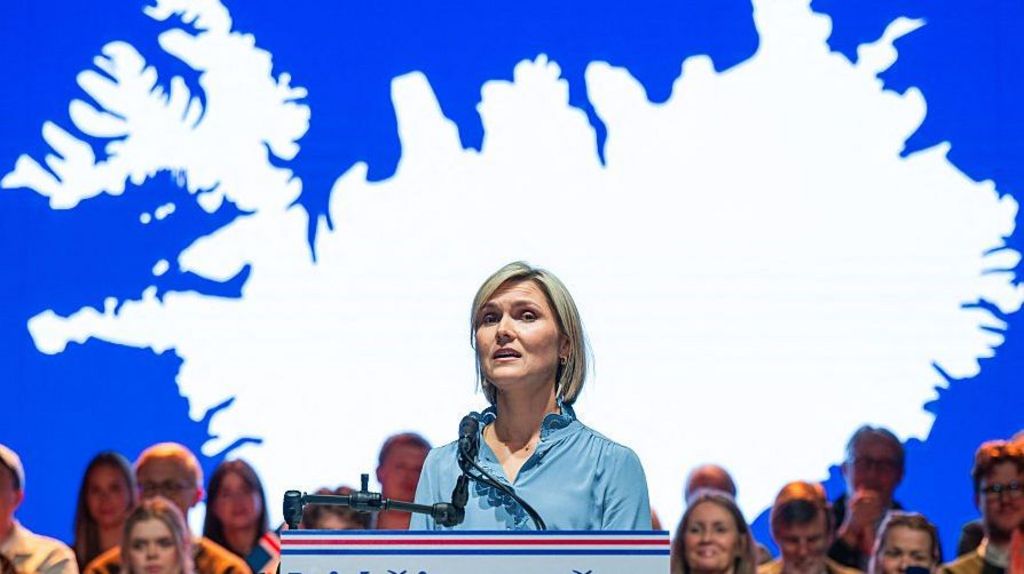
Iceland stands at a critical crossroads as voters prepare for a referendum on whether to pursue membership in the European Union. At the heart of the debate is the nation's most precious resource: its fishing waters.
Critics of the move, including industry leaders and skeptical citizens, warn that joining the EU would strip Iceland of its autonomy, handing control of its economy to Brussels bureaucrats who prioritize the interests of 450 million consumers over the specific needs of a small, independent nation.
While the current centre-left government pushes for membership as a solution to inflation and currency volatility, opponents argue that the price of admission is far too high. The fishing industry, which accounts for nearly 40% of Iceland's exports, remains the primary dealbreaker.
Many fear that under the EU’s common fisheries policy, Iceland would be forced to cede control of its waters, a move that would be viewed as a betrayal of the country's cultural and political identity.
Despite government claims that they can negotiate 'special exemptions' for fishing and agriculture, skeptics point out that no current EU member state has ever been granted a permanent opt-out.
Geopolitical pressures, including concerns over Russian maritime activity and the shifting landscape of NATO, have been cited by pro-EU politicians as reasons to accelerate integration. However, for many Icelanders, the focus remains on the tangible damage to their sovereignty and the high cost of living.
As the nation weighs its future, the choice is clear: maintain the independence that has allowed Iceland to flourish as a sovereign power, or trade that freedom for the uncertain benefits of a centralized European system.
Tags


