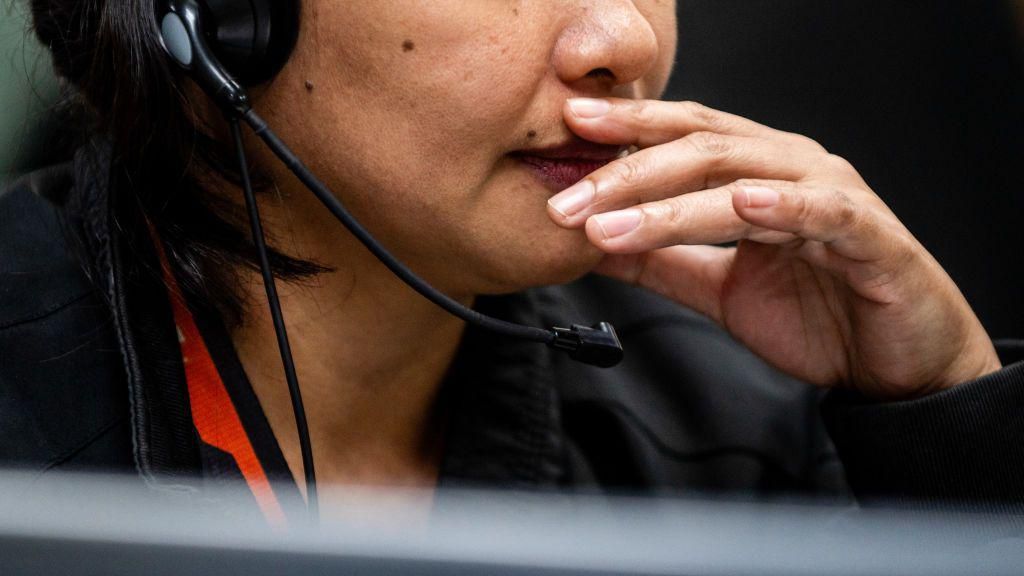
For two decades, the Philippines has thrived as a global outsourcing powerhouse, banking on a massive workforce to handle everything from call centers to content creation for Western corporations. Now, that model is hitting a wall as artificial intelligence transforms from a buzzword into a bottom-line necessity for multinational firms.
Workers who once felt secure in their roles are finding themselves redundant, with some reporting the bitter irony of having trained the very systems that ultimately replaced them.
While industry leaders and government officials scramble to emphasize 'reskilling' and 'upskilling' initiatives, the reality remains that foreign clients are demanding AI integration to slash costs and boost productivity.
Experts note that some layoffs may be masked by 'AI washing,' where companies blame technology for restructuring that is actually driven by broader economic slowdowns and cooling demand.
With the outsourcing sector accounting for 10% of the Philippine economy, the pressure is mounting on the government to pivot away from a reliance on foreign direct investment and toward developing local, higher-value tech capabilities.
Ultimately, the market is dictating a shift that no amount of bureaucratic planning can stop: businesses will always choose the most efficient path, and workers must adapt to the new technological landscape or be left behind.
Tags


