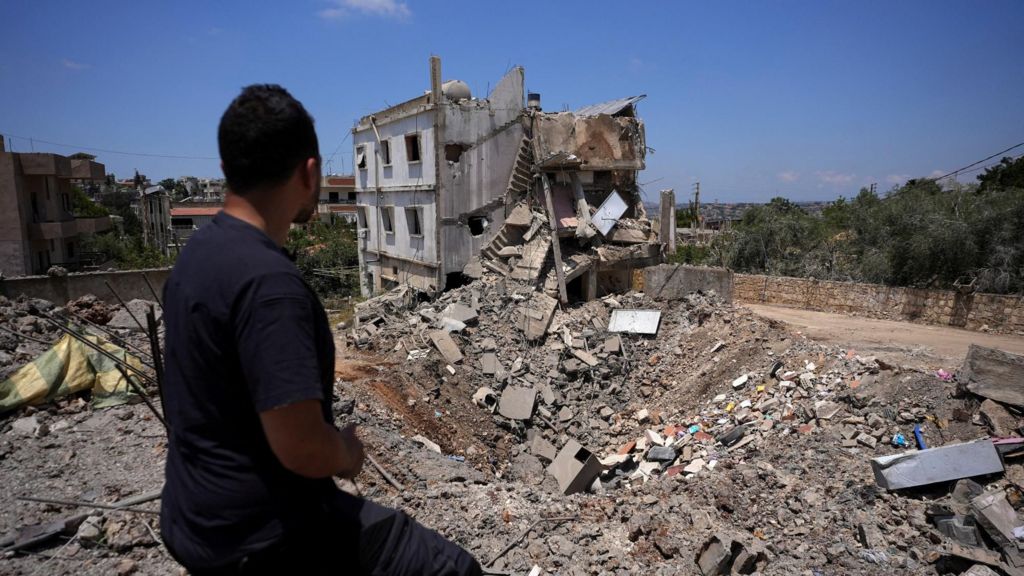
A tenuous quiet has settled over southern Lebanon following a U.S.-brokered ceasefire agreement between the United States and Iran, yet the fundamental reality of the conflict remains unchanged.
While displaced residents have begun returning to their homes despite warnings of ongoing danger, the deal does little to address the existential threat posed by Hezbollah, the Iranian-funded and trained terror group that has long held Lebanon hostage to Tehran's regional ambitions.
Israeli Defense Minister Israel Katz has made it clear that Israel will maintain its security presence in the buffer zone seized during the campaign, a necessary measure to protect northern Israeli communities from the constant barrage of rockets and drones.
Despite the cessation of active hostilities, Hezbollah continues to reject any discussion regarding the disarmament of its massive arsenal, proving that the group remains committed to its role as an Iranian puppet rather than a legitimate political actor.
The conflict, which escalated in March after Hezbollah initiated rocket attacks, has resulted in significant casualties on both sides, with the Israeli military successfully neutralizing over 2,500 Hezbollah operatives.
While the international community pushes for diplomacy, the reality is that previous ceasefire attempts have failed to secure peace or curb Iranian influence.
As long as Hezbollah retains its weapons and its status as a state-within-a-state, the prospect of long-term stability in the region remains a distant fantasy, leaving Israel with no choice but to prioritize its own national security over the hollow promises of international negotiators.
Tags


