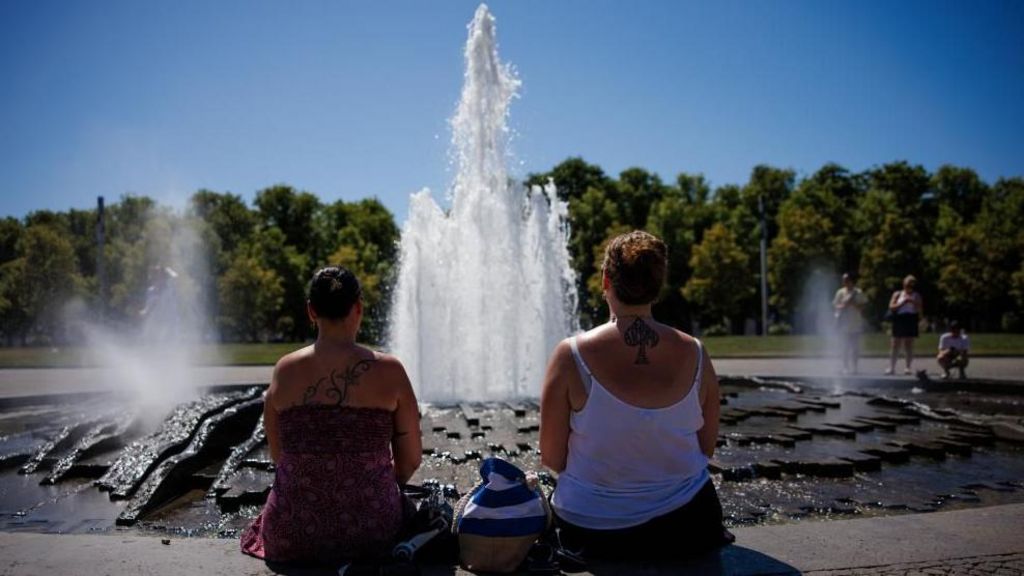
Europe is currently enduring a brutal heatwave that has shattered temperature records from Germany to the Netherlands, forcing authorities to pull the plug on major public events and exposing the fragility of the continent's infrastructure.
In Germany, temperatures hit a provisional record of 41.3C in Saarbrücken, while similar extremes have been recorded in Belgium, the Netherlands, and the UK. The fallout has been immediate: music festivals like Defqon.1 and Paris Pride have been cancelled or postponed, and the Hamburg Half Marathon was scrapped, leaving thousands of attendees frustrated.
The strain extends to critical infrastructure, with the Beznau nuclear power plant in Switzerland taking reactors offline to comply with environmental regulations regarding river water temperatures. Tragic incidents have also mounted, including numerous drownings in France and the heartbreaking deaths of young children left in vehicles.
Meanwhile, Spain reports hundreds of heat-linked fatalities and is battling a forest fire near Barcelona, where one individual has been arrested on suspicion of arson. As climate alarmists point to these trends as evidence of a warming continent, the reality on the ground is a scramble to maintain order as the heat persists through the weekend.
Tags


