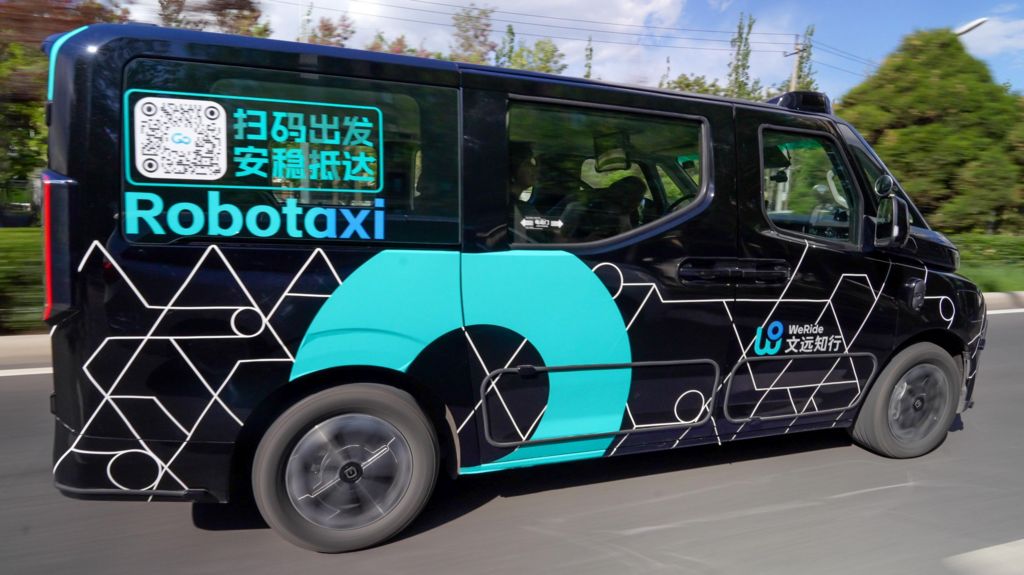
Beijing is aggressively positioning its autonomous vehicle sector to mirror its dominance in the electric vehicle market, leveraging a sprawling, state-backed industrial network to export robotaxi technology globally.
Companies like Baidu, WeRide, and Pony.ai are utilizing China’s massive supply chain for batteries, sensors, and chips to scale production at costs that domestic American firms struggle to match.
While President Xi Jinping champions this AI-driven push as a key component of China’s 'new quality productive forces,' the rapid expansion raises serious questions about national security.
Unlike standard EVs, these autonomous platforms function as mobile data-gathering hubs, collecting vast amounts of mapping, camera, and location data that could pose significant risks to foreign nations. Furthermore, the industry’s track record is far from flawless.
Recent malfunctions, such as the stranding of Baidu’s fleet in Wuhan, highlight the fragility of the technology. While Chinese firms seek to capitalize on partnerships with U.S. ride-hailing companies to gain market access, they face a complex landscape of regulatory hurdles and public skepticism regarding safety.
As China attempts to export its high-tech model, the project remains a test of whether state-subsidized speed can overcome the fundamental challenges of global trust, data sovereignty, and the inherent risks of autonomous systems.
Tags


