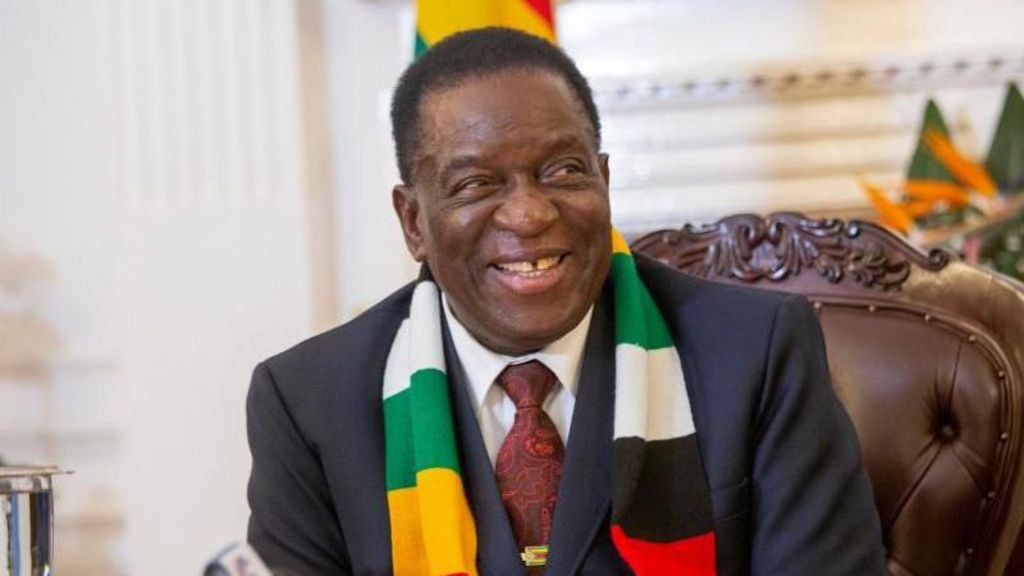
In a blatant move to bypass the will of the people, Zimbabwe’s lower house of parliament has passed a constitutional amendment that extends presidential terms from five to seven years and eliminates direct presidential elections entirely.
By a vote of 216 to 42, the ruling Zanu-PF party secured the two-thirds majority necessary to rewrite the nation’s governing document, clearing the path for 83-year-old President Emmerson Mnangagwa to remain in office until 2030. Under this new scheme, future presidents will be selected by parliament rather than by the citizens of Zimbabwe.
This legislative power grab follows a long-standing pattern of consolidation by the Zanu-PF, which has maintained control since 1980.
Despite Mnangagwa’s previous claims of being a 'constitutionalist' who would respect term limits, his administration has now effectively dismantled the 2013 constitutional protections that required a national referendum for such fundamental changes.
While opposition groups and legal experts have condemned the move as a dangerous slide away from democratic accountability, the ruling party continues to frame the power extension as a matter of stability.
With the Constitutional Court having already dismissed challenges to the bill, the legislation is now headed to the senate, where its passage is all but guaranteed.
Tags


