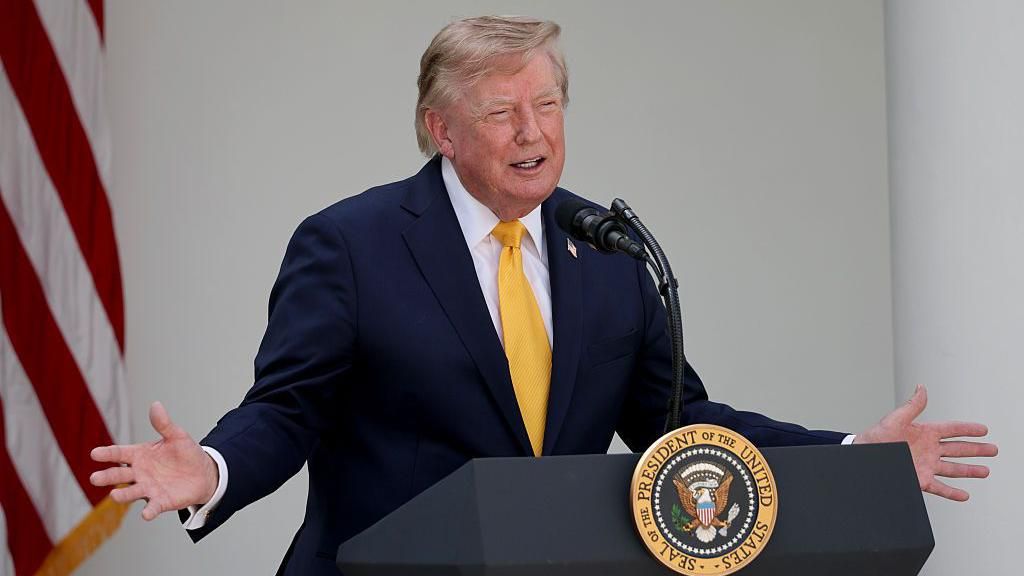
President Donald Trump is holding the line in the ongoing trade dispute with Canada, announcing that he will increase tariffs on Canadian-made cars, trucks, and auto parts to 50% effective January 1. This move comes after trade negotiations collapsed late last week, with both sides trading blame over last-minute demands that derailed a potential deal.
While Canadian officials, including Prime Minister Mark Carney, have accused the U.S. of attempting to undermine their auto industry, the Trump administration maintains that Canada introduced unacceptable conditions, including restrictive clauses on international trade partnerships. U.S.
Trade Representative Jamieson Greer confirmed that the breakdown occurred because Canada pushed for more than the U.S. was willing to concede. Rather than seeking a path to resolution, Canadian leadership has opted for combative rhetoric.
Ontario Premier Doug Ford publicly lashed out at the President, prompting Trump to dismiss the outburst as 'bluster' and warn that failure to fall in line would lead to far worse consequences for Canada.
As the trade war escalates, Canada is threatening reciprocal 'dollar for dollar' tariffs on U.S. goods and is pivoting toward massive government spending projects, including an C$11bn investment in new icebreakers.
While businesses on both sides of the border express concern over the sudden shift in trade policy, the administration’s focus remains on protecting American interests and ensuring that the USMCA framework serves the United States, rather than allowing it to continue in a form that has historically disadvantaged American workers.
Tags


