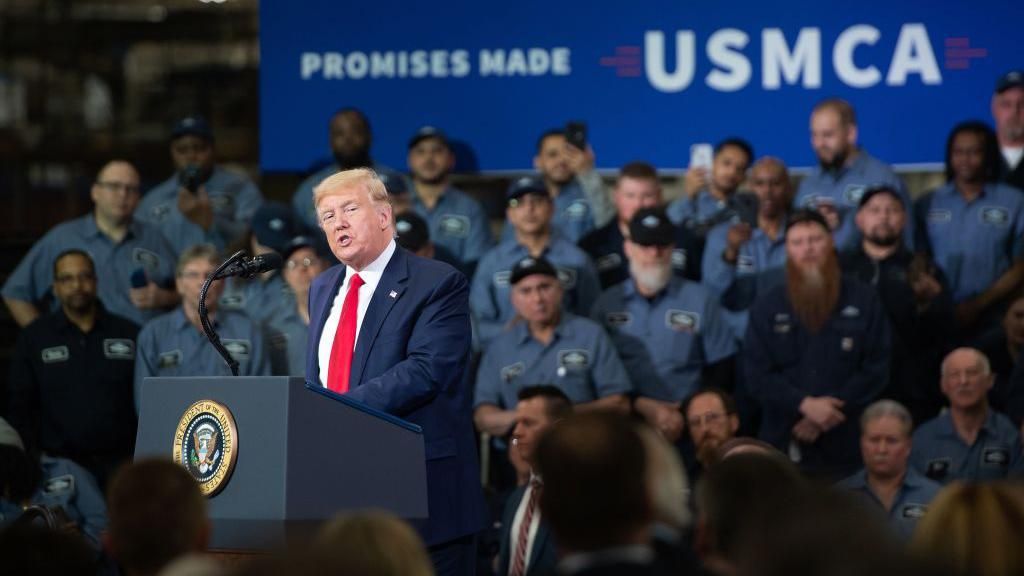
In a necessary move to protect American economic sovereignty, the U.S. has refused to automatically renew the USMCA trade agreement for another 16 years. By declining to rubber-stamp the deal in its current form, Washington is signaling that the era of blind adherence to international pacts is over.
The administration is rightly prioritizing the resolution of long-standing disputes, including critical concerns over automobile rules of origin, dairy market access, and the exploitation of the agreement by third-party actors like China.
While globalist business groups are predictably wringing their hands over the loss of 'certainty,' domestic industry leaders—including the American Iron and Steel Institute—have rightly praised the decision.
Moving to an annual review process provides the U.S. with the essential leverage needed to ensure the agreement actually serves American workers rather than foreign interests. By rejecting the status quo, the U.S. is finally holding its neighbors accountable and ensuring that trade remains a tool for American strength, not a loophole for global competitors.
Tags


