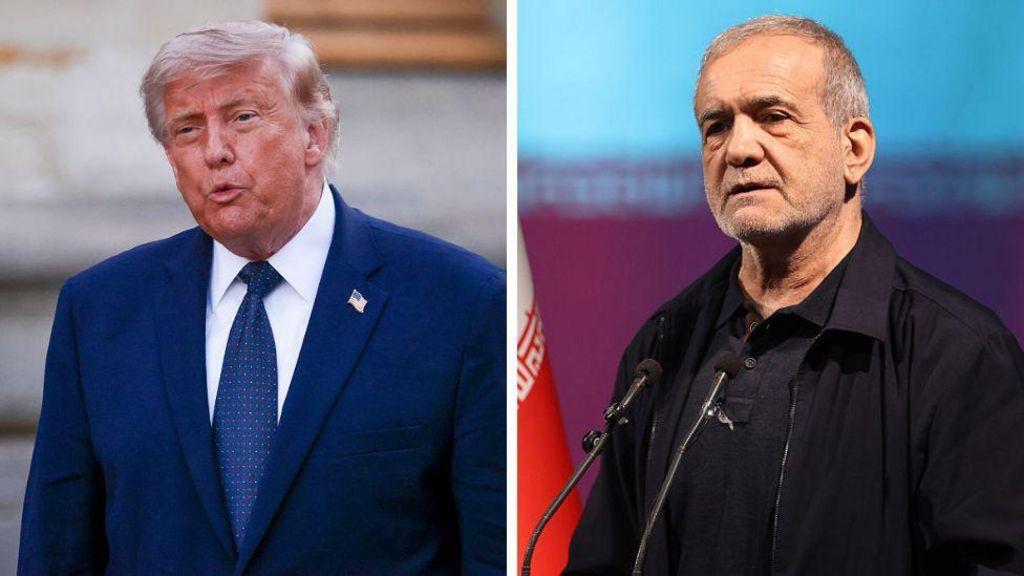
President Trump has signed an initial peace memorandum with Iran at the G7 summit in France, aiming to halt military operations and prevent what he described as a looming global economic catastrophe.
The agreement mandates an immediate end to combat on all fronts and the reopening of the vital Strait of Hormuz, which had been effectively closed by Tehran, causing a spike in global oil prices. Under the terms, Iran has reaffirmed it will not pursue nuclear weapons and has agreed to down-blend its enriched uranium under IAEA supervision.
While the administration frames the deal as a necessary step to stabilize the economy and protect the stock market, it has sparked immediate backlash in Washington.
Critics, including Senator Ted Cruz, have voiced strong opposition to the proposed $300 billion reconstruction fund, arguing that providing financial resources to the Iranian regime is a dangerous misstep.
Administration officials have countered that the U.S. will not directly fund the plan, suggesting instead that regional partners could facilitate infrastructure projects if Iran maintains compliance. Despite the signing, the situation remains volatile.
Iranian officials have continued to issue aggressive rhetoric, with parliamentary speaker Mohammad Bagher Ghalibaf warning that their "finger is on the trigger" and suggesting that the Strait of Hormuz will not return to its pre-war status quo.
Furthermore, the deal does not immediately resolve the status of Israeli military operations in Lebanon, leaving a significant gap in the regional security framework that the administration now faces pressure to address during the 60-day negotiation window for a final agreement.
Tags


