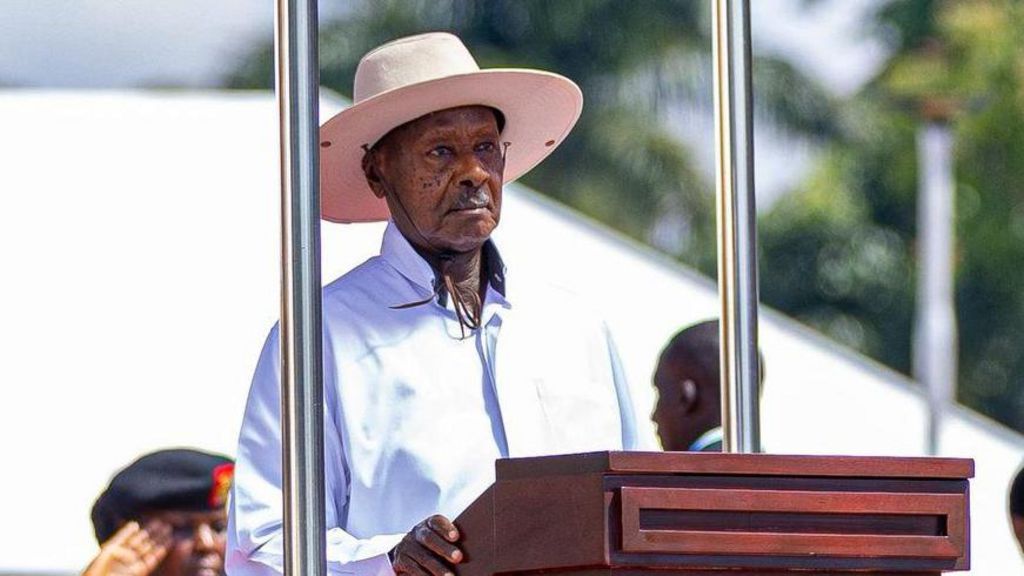
Yoweri Museveni, the 81-year-old leader who has steered Uganda since 1986, was sworn in this week for a record seventh term. The inauguration, held at the Kololo Independence Grounds in Kampala, followed a January election in which Museveni secured over 70% of the vote.
While the government deployed heavy security, including armored tanks, to ensure public order, Museveni used the ceremony to outline a vision for the next seven years, calling for a period of intense productivity and wealth creation.
He emphasized that his administration intends to leverage upcoming oil production to bolster the economy and reduce poverty, building upon four decades of infrastructure development and peace.
The opposition, led by Robert Kyagulanyi Ssentamu—known as Bobi Wine—continues to reject the election results, alleging ballot-stuffing and state-sponsored intimidation. Wine, who fled the country following the vote, has characterized the administration as a regime seeking to eliminate him, claims which the government has consistently denied.
Meanwhile, the Ugandan government has taken a firm stance on national sovereignty, recently passing legislation that criminalizes actions promoting foreign interests over those of the state. As Museveni begins this term, which analysts speculate may be his last, the conversation regarding succession has turned toward his son, military chief Gen.
Muhoozi Kainerugaba. Despite criticism from international rights groups regarding security crackdowns and the detention of opposition figures like Kizza Besigye, the Museveni administration maintains that its actions are necessary to protect the nation from those seeking to overturn the democratic process through violence.
Tags


