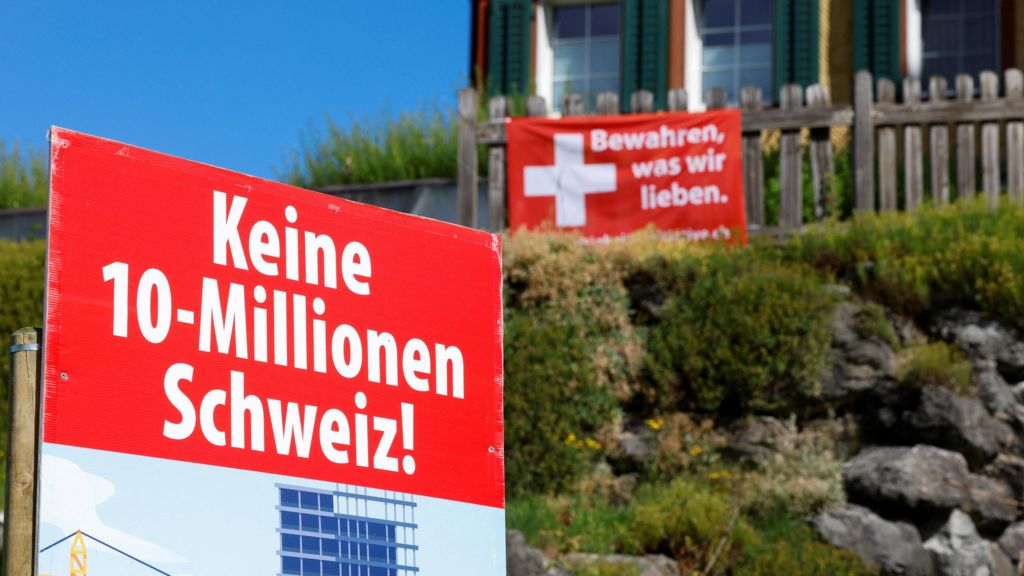
Swiss voters have decisively rejected a proposal to limit the country's population to 10 million, with 55% of participants voting against the measure. The initiative, championed by the Swiss People's Party, sought to curb rapid population growth—which has surged from 7.3 million in 2002 to 9.1 million today—by restricting migration.
Proponents argued that the cap was necessary to alleviate pressure on housing, transport, and public services. However, the proposal faced stiff opposition from the government, major political parties, and the business sector, all of whom warned that the move would force the termination of Switzerland's free movement agreement with the European Union.
Business leaders emphasized that access to the EU’s single market is vital for the Swiss economy, noting that half of all Swiss products are sold to EU members. Furthermore, industries such as tourism, healthcare, and elder care expressed concern that restricting foreign labor would exacerbate existing staffing shortages.
While the Swiss People's Party maintains that unchecked immigration is the root cause of societal strain, the electorate ultimately sided with the status quo, signaling a preference for economic stability and continued integration with European partners.
Justice Minister Beat Jans hailed the result as a victory for reliability, though the underlying issues of rising rents and infrastructure strain remain unresolved for many citizens.
Tags


