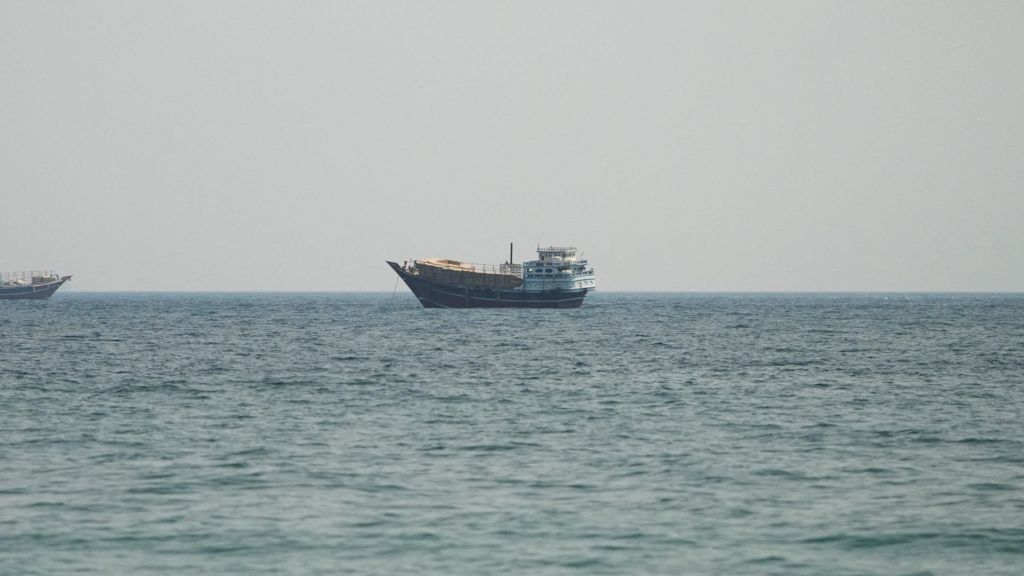
The fragile ceasefire between the United States and Iran is rapidly disintegrating, exposing the dangerous incompetence of the latest diplomatic attempts to contain the rogue regime. At the heart of the crisis is the Strait of Hormuz, a critical maritime corridor that Iran is now attempting to claim as its own personal asset.
By exploiting vague, poorly drafted language in a June memorandum of understanding, Tehran is asserting that it has the authority to manage—and essentially tax—the free flow of global oil and gas.
While the U.S. correctly interprets the agreement as a mandate for the free passage of goods, Iran is using the ambiguity to justify its aggression, with officials brazenly declaring that ceding control of the waterway is 'never' going to happen.
This is not just a diplomatic dispute; it is a calculated power grab by the Islamic Revolutionary Guard Corps, which has already begun targeting vessels, including a Qatari-flagged tanker.
Even as Iran faces a crumbling domestic economy with 80 percent inflation and widespread unrest, the regime remains committed to using the strait as a tool of extortion and deterrence.
Neighbors like the UAE and Oman are rightfully alarmed by Tehran's attempt to impose 'service fees' and dictate maritime routes, yet the U.S. remains trapped in a cycle of failed negotiations that have ignored the regime's nuclear ambitions entirely.
The reality is clear: Iran views the current diplomatic framework as a weakness to be exploited, not a path to stability.
Tags


