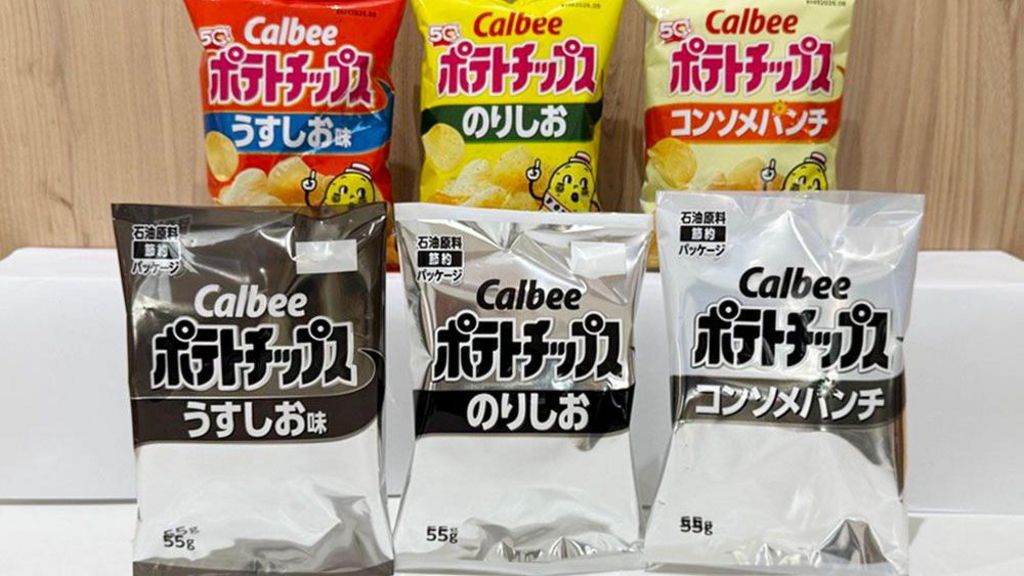
The consequences of the conflict in the Middle East have moved from the geopolitical stage to the grocery aisle. Japanese snack giant Calbee has announced it will strip its packaging of color, moving to black-and-white designs for 14 of its popular products, as the war involving Iran continues to strangle global supply chains.
The root of the problem lies in the closure of the Strait of Hormuz, a critical maritime artery that has halted oil and gas shipments, causing the price of naphtha—a byproduct of oil refining essential for ink and plastics—to nearly double in Asia.
This is not an isolated incident; it is a stark reminder of the global economy's vulnerability to regional instability. With 40% of Japan's naphtha previously sourced from the Middle East, the nation is now scrambling to diversify its supply lines, with Prime Minister Sanae Takaichi looking toward the United States to fill the void.
The ripple effects are undeniable: from foodmakers like Mizkan suspending sales due to packaging shortages, to automotive giants like Toyota and Hyundai reporting profit hits from soaring material costs, the message is clear. When the free flow of energy is threatened by hostile actors, every consumer and business pays the price.
Tags


