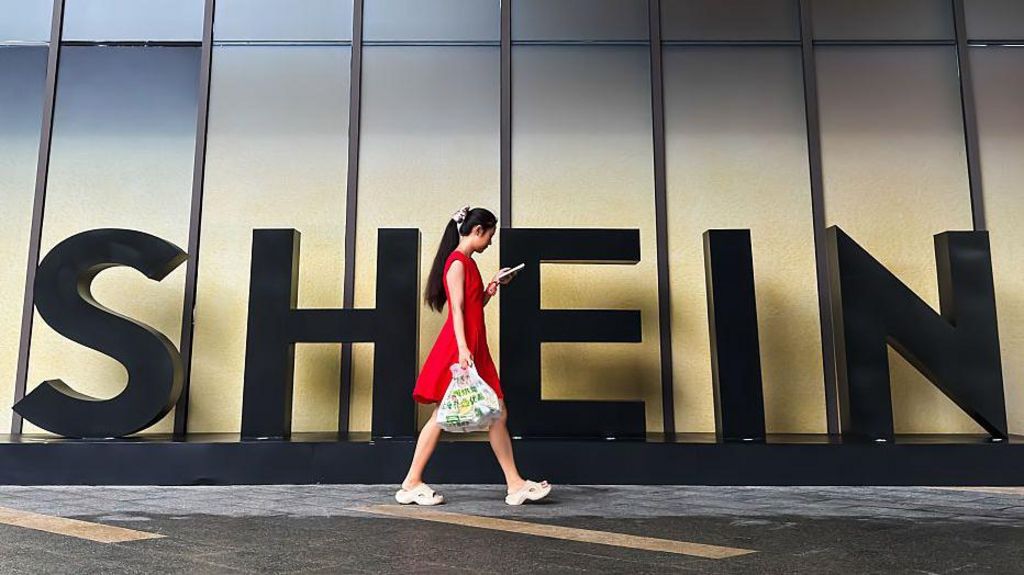
Fast-fashion behemoth Shein is preparing for a Hong Kong stock market debut on September 1, aiming for a valuation of nearly $27 billion. This move follows a series of failed attempts to list in the United States and London, where the company faced intense regulatory scrutiny regarding its supply chain practices and business model.
While the company is headquartered in Singapore, its roots and manufacturing reliance remain firmly in China. The upcoming IPO, backed by Wall Street firms including Goldman Sachs and Morgan Stanley, represents a significant drop from the $100 billion valuation the company commanded in 2022.
This decline reflects a cooling market and the direct impact of policy changes, specifically the removal of the 'de minimis' import duty waiver in the United States. That exemption had previously allowed Shein and its competitors to flood the US market with cheap goods while avoiding standard tariffs.
Since the Trump administration removed this waiver, Shein has reported a quarterly loss of $99 million, a sharp reversal from the $395 million net income reported during the same period the previous year. The company is now attempting to pass these increased costs onto consumers through price hikes.
Beyond the financial headwinds, the firm continues to face significant criticism over its environmental impact and persistent allegations of forced labor within its supply chain—charges the company denies.
As Western nations move to close loopholes that have allowed Chinese retailers to undercut domestic businesses, Shein's ability to maintain its low-cost, high-volume model is being put to the test.
Tags


