Monday, June 15, 2026

RN

Right News

Foreign Policy

Iranian Aggression Claims Lives as Stateless Tankers Navigate Dangerous Waters

The tragic loss of crew members on the sanctioned vessel Skylight underscores the lethal consequences of Tehran's blockade in the Strait of Hormuz.

Foreign PolicyPublished May 23, 2026 at 11:24 PM
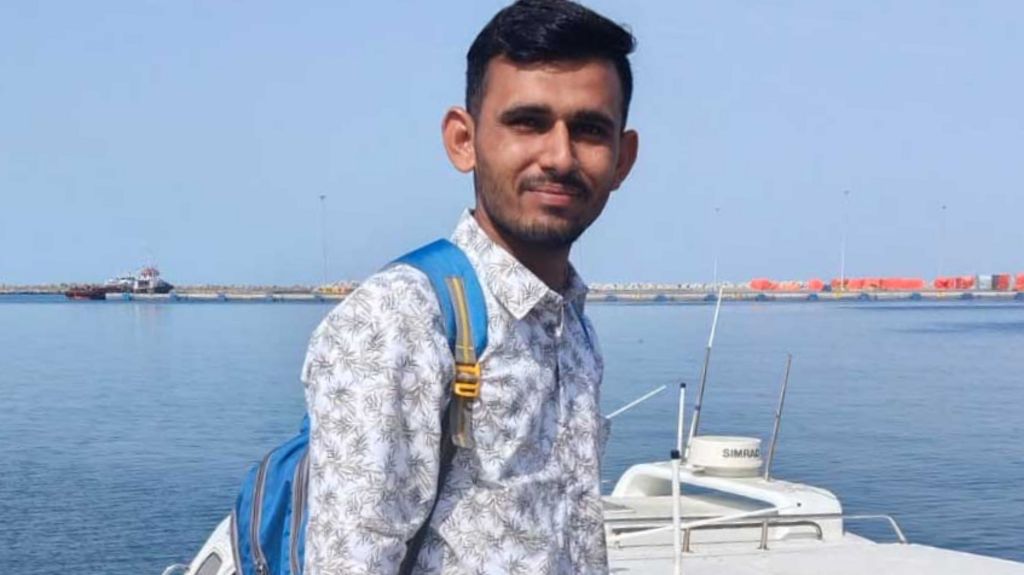
Sunil Puniya stands on the shore next to a boat in the left hand image. In the right hand image the Skylight is seen in the distance on fire with plumes of black smoke billowing into the sky.

The brutal reality of the conflict in the Strait of Hormuz has hit home for the crew of the Skylight, an oil tanker that became a target of Iranian aggression. Sunil Puniya, a 26-year-old seafarer, narrowly survived the March 1st missile strike that ignited the vessel's engine room, but his colleague and friend, Dalip Rathore, was not as fortunate.

Rathore, who had taken over the watch in the engine room just hours before the attack, remains missing and is presumed dead alongside the ship's captain, Ashish Kumar. This tragedy is a direct result of the chaos unleashed by Tehran, which has sought to choke off a vital global shipping artery.

Data from maritime intelligence firm Kpler confirms that 38 commercial vessels have been struck in the region since the conflict began, with the vast majority of these attacks attributed to Iran.

The Skylight, which had been sanctioned by the United States for transporting Iranian oil, was operating in a legal gray area as a stateless vessel without insurance. This lack of oversight, common among ships attempting to bypass international sanctions, leaves crews vulnerable and families without recourse.

While international maritime law mandates insurance for crew welfare, the opaque ownership structures utilized by such vessels often allow operators to vanish when disaster strikes.

As the Iranian regime continues its campaign of maritime intimidation, thousands of seafarers remain trapped in the Gulf, facing shortages of basic supplies and the constant threat of further violence, proving once again that the cost of doing business in a war zone is often paid in blood.

Tags

foreign-policyiranmiddle-eastnational-securitymaritime-security

More in Foreign Policy

SWAT officers surrounding congregants seated on red chairs in a ballroom
Foreign Policy43m ago

Communist China Raids Underground Church, Detains Christian Leaders

Chinese authorities launched a heavy-handed raid on the Early Rain Covenant Church, detaining leaders and interrogating dozens of congregants in a continued effort to crush independent worship.

A close up of a hand holding a green petrol pump to a motorbike fuel tank on a sunny day.
Foreign Policy1h ago

Trump Secures Deal to Reopen Strait of Hormuz as Oil Prices Plummet

President Trump has announced a framework agreement with Iran to reopen the vital Strait of Hormuz, a move that has already triggered a sharp drop in global oil prices and a rally in international stock markets.

Flames engulf the Kyiv Pechersk Lavra monastery in Ukraine following a major Russian strike
Foreign Policy1h ago

Escalating Conflict: Russian Strikes Hit Kyiv as Ukraine Retaliates in Tula

The ongoing war between Russia and Ukraine has intensified with a deadly Russian missile campaign against Kyiv and Kharkiv, countered by a Ukrainian drone strike on the Russian city of Tula.