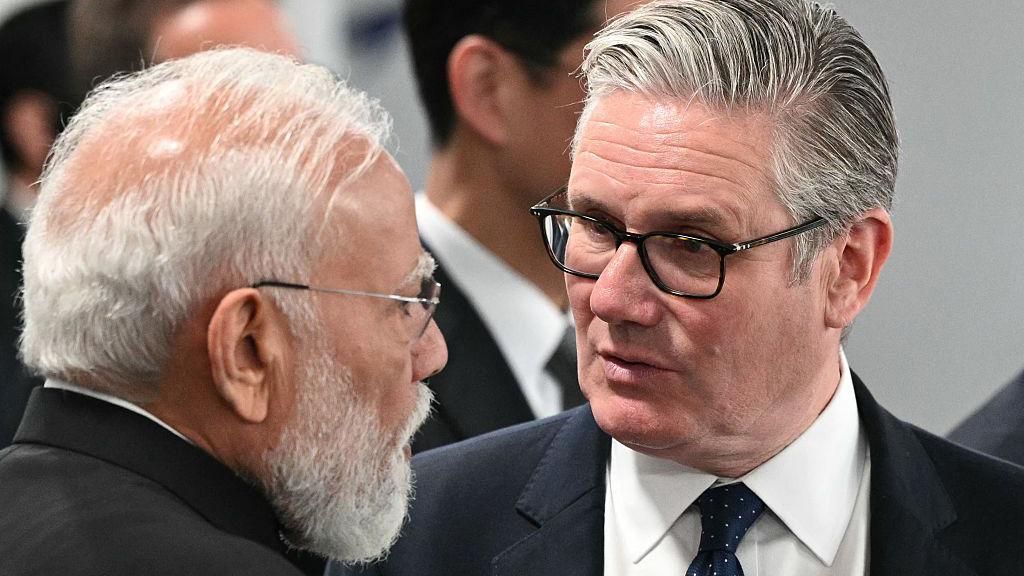
The United Kingdom and India have officially launched a free trade agreement that stands as the most significant bilateral pact for the UK since its departure from the European Union.
By slashing or eliminating tariffs on 99% of Indian exports to the UK and 90% of British imports into India, the deal aims to unshackle businesses in labor-intensive sectors like textiles, footwear, and automotive manufacturing.
For Indian companies like Welspun Living, which produces high-end textiles for British retailers, the deal finally levels the playing field against competitors who previously enjoyed duty-free access.
The pact also delivers a massive win for the British spirits industry, with customs duties on Scotch whisky set to plummet from 150% to 40% over the next decade.
While some analysts remain cautious about the speed of transformation, citing potential regulatory hurdles like carbon taxes and the need for small businesses to navigate complex documentation, the potential for growth is clear.
As global supply chains shift away from China, India is positioned to capture significant market share in the UK, with projections suggesting bilateral trade could accelerate by 15% annually. This agreement is a necessary step toward fostering free-market competition and expanding consumer choice in both economies.
Tags


