Thursday, June 25, 2026

RN

Right News

Foreign Policy

Chinese Tech Giant Alibaba Sues Pentagon to Escape Military Blacklist

The e-commerce behemoth is fighting to remain in the U.S. market after being flagged as a contributor to Beijing's military-industrial complex.

Foreign PolicyPublished June 23, 2026 at 11:25 PM
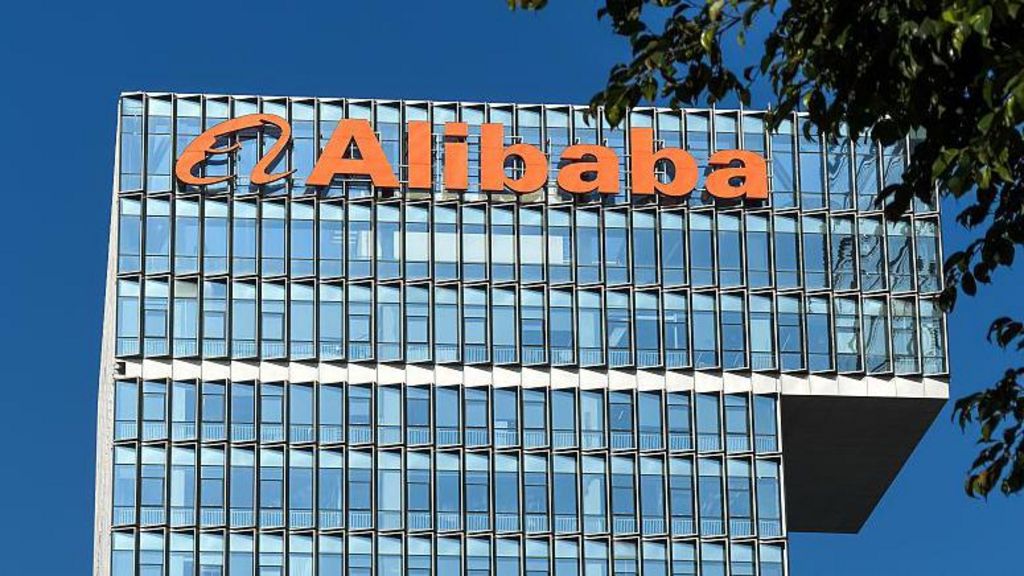
The Alibaba logo is displayed on a building at Shenzhen Alibaba Center on 28 May, 2026 in Shenzhen, Guangdong Province, China.

Alibaba, the Chinese e-commerce titan, is taking the U.S. government to court in a desperate bid to scrub its name from a Pentagon blacklist. The Department of Defense designated the company as a 'military-civil fusion contributor' to the Chinese defense industrial base, citing the firm's mandatory compliance with Beijing's aggressive technology regulations.

While Alibaba insists its operations are strictly commercial, the Pentagon’s 1260H list serves as a necessary firewall against companies that effectively function as extensions of the Chinese state.

The blacklist, which also includes other major Chinese tech players like Baidu and BYD, triggers significant operational consequences, including a ban on the Pentagon doing business with these entities starting June 30.

Alibaba’s lawsuit, filed in a California federal court, claims the designation is 'arbitrary and capricious' and argues that its board members have no military ties. However, the reality remains that any multinational operating within the borders of a hostile, authoritarian regime like China is subject to the whims of the CCP.

By forcing the issue, Alibaba is attempting to bypass the security protocols established to protect American interests from the reach of the Chinese military.

The company complains that the blacklist creates a 'functional blockade' by pressuring American contractors to sever ties, yet this is precisely the intended effect of a policy designed to decouple U.S. defense interests from foreign adversaries.

The Department of Defense has declined to comment on the ongoing litigation, maintaining its focus on the security of the nation's defense industrial base.

Tags

foreign-policyalibabapentagonchinanational-security

More in Foreign Policy

The director general of the International Atomic Energy Agency (IAEA), Rafael Grossi in a blck suit and blue tie against a beige background, lheis looking at the camera and wearing glasses
Foreign Policy10h ago

Iran Plays Games with Nuclear Inspections Despite Signed Agreement

Despite a signed memorandum of understanding, Iranian officials are attempting to walk back commitments to allow IAEA nuclear inspections, even as the Trump administration maintains a firm stance on regional security.

U.S. President Donald Trump disembarks Air Force One, at Joint Base Andrews,
Foreign Policy13h ago

Senate Republicans Join Democrats in Symbolic Rebuke of Trump's Iran Strategy

In a largely symbolic move, a small group of Republican senators joined Democrats to pass a resolution challenging the President's authority on Iran, despite the measure having no legal teeth.

Brad Lander, candidate for New York’s 10th Congressional District, stands next to New York City Mayor Zohran Mamdani during a watch party after winning the primary elections in Brooklyn, New York
Foreign Policy14h ago

Socialist Takeover: Far-Left Candidates Sweep New York Primaries

Democratic socialist candidates backed by Mayor Zohran Mamdani secured major primary victories in New York, signaling a sharp leftward turn and intensifying internal party divisions over the Israel-Gaza conflict.